 ZS Laser Equipment

In the world of plastic assembly, two heavyweights dominate the field: Ultrasonic Welding and Laser Plastic Welding. While both create strong bonds without the need for adhesives or screws, they operate on completely different physical principles.
If you are manufacturing parts with internal electronics, sensors, or delicate micro-structures, the choice you make could be the difference between a high-yield production line and a bin full of damaged goods.
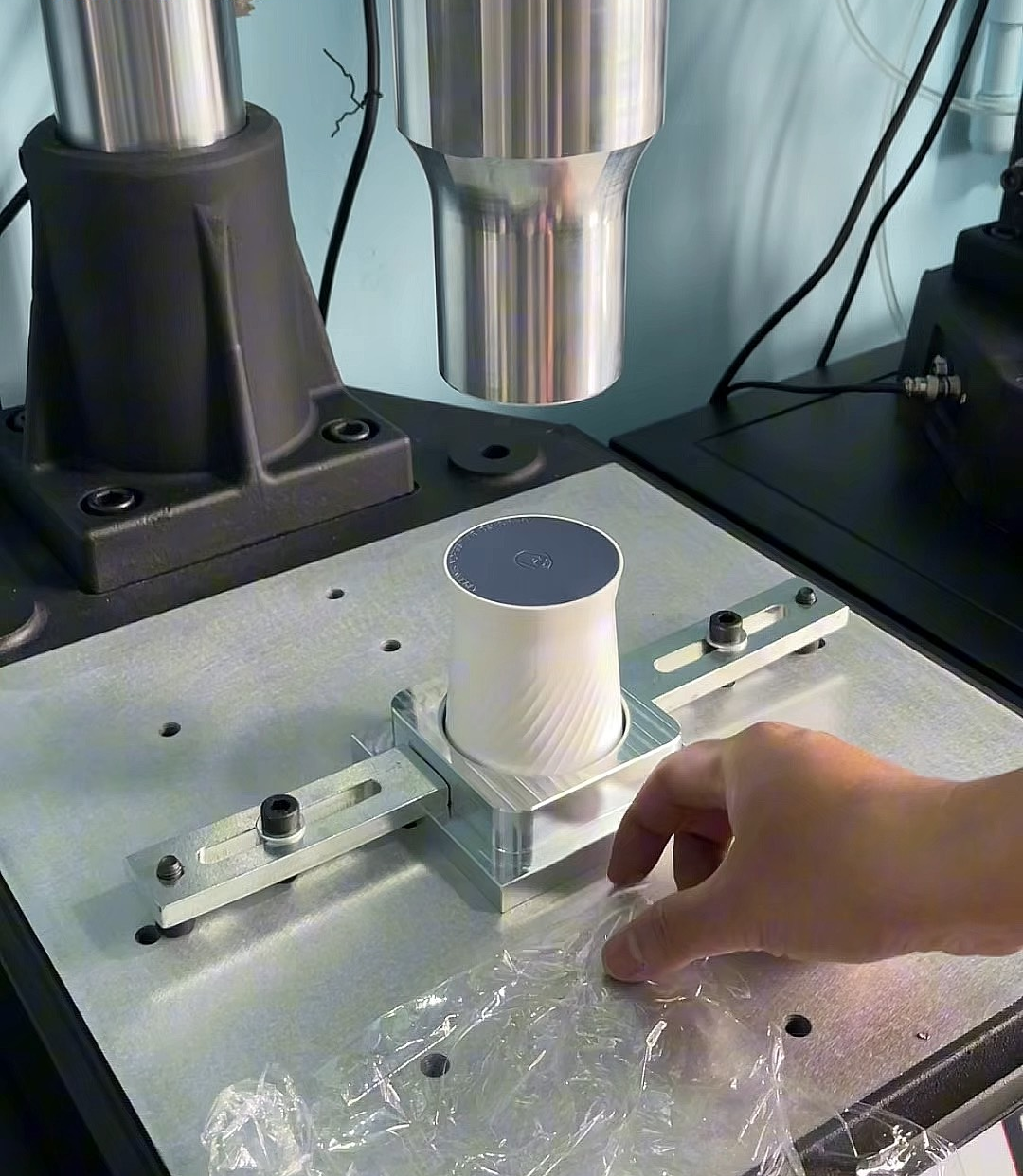
Ultrasonic plastic welding machine
1.The Vibration Factor: Protecting Your Electronics
The most significant difference between the two lies in mechanical stress.
Ultrasonic Welding: Works by applying high-frequency vibrations (20kHz to 40kHz) to the parts. This friction generates heat and melts the plastic. However, these intense vibrations travel through the entire component. If your plastic housing contains PCBs, delicate sensors, or micro-connectors, ultrasonic energy can rattle them to the point of solder joint failure or internal component damage.
Laser Welding: This is a non-contact, vibration-free process. The laser beam precisely targets the weld interface without shaking the part.
The Verdict: If your assembly has internal electronics, Laser Welding is the superior choice to ensure high yield rates and component integrity.
2.Sealing Performance: Hermetic Air and Water Tightness
For automotive lighting, medical fluid containers, or outdoor sensors, “leak-proof” is not optional.
Ultrasonic Welding: While strong, the vibration process can sometimes cause inconsistent melt flow or “flash” (excess material), which may compromise the seal under high pressure.
Laser Welding: Offers superior hermetic sealing. Because the melt is controlled by a precise thermal beam, the resulting weld is clean, consistent, and provides excellent air and water tightness (IP67/IP68 standards).
3.Aesthetics and Cleanliness
Ultrasonic: Often leaves visible “flash” or marking on the exterior surface due to the vibrating horn (sonotrode).
Laser: Produces a near-invisible weld line. There is no particulate generation or surface marking, making it ideal for “Class A” aesthetic surfaces and cleanroom medical applications.
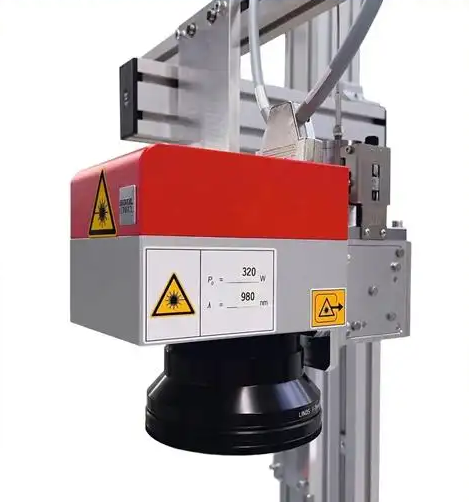
Plastic laser welding technology
4.The Trade-offs: Speed and Cost
It’s not a one-sided victory; Ultrasonic welding still holds the crown in specific areas:
| Feature | Ultrasonic Welding | Laser Plastic Welding |
| Cycle Time | Extremely Fast (<1 sec) | Slower (seconds to tens of seconds) |
| Equipment Cost | Lower Initial Investment | Higher Initial Investment |
| Mechanical Stress | High (Vibration) | Zero (Non-contact) |
| Precision | Standard | High / Micro-scale |
| Yield Rate (Electronics) | Lower (Risk of damage) | Very High |
5.How to Choose between the two?
Choose Ultrasonic Welding if you are producing high-volume, simple plastic parts (like toys, simple containers, or non-electronic brackets) where speed and low cost are your primary drivers.
Choose Laser Welding if your part is high-value, contains sensitive electronics, requires perfect aesthetics, or demands the highest level of air/water tightness.
While the equipment cost for laser technology is higher, the drastic reduction in scrap rates and the ability to weld complex electronic assemblies often result in a much better Return on Investment (ROI) in the long run.
Expert Tip for Your Business:
When talking to potential clients in the metal processing or automotive sectors, emphasize that ZS Laser solutions focus on the “Total Cost of Quality.” Preventing one damaged PCB per hundred units often pays for the laser equipment itself within months.

WhatsApp
Scan the QR Code to start a WhatsApp chat with us.