 ZS Laser Equipment

Wire feeding issues are one of the most common problems encountered when using a handheld laser welding machine, especially in applications
that require filler wire such as gap bridging or aluminum welding.
Among these issues, wire jamming after the feeding rollers is a frequent and frustrating problem that can directly affect welding quality,
efficiency, and machine reliability.
In this article, we will analyze the root causes of this issue and provide practical, field-tested solutions to help improve your laser welding performance.
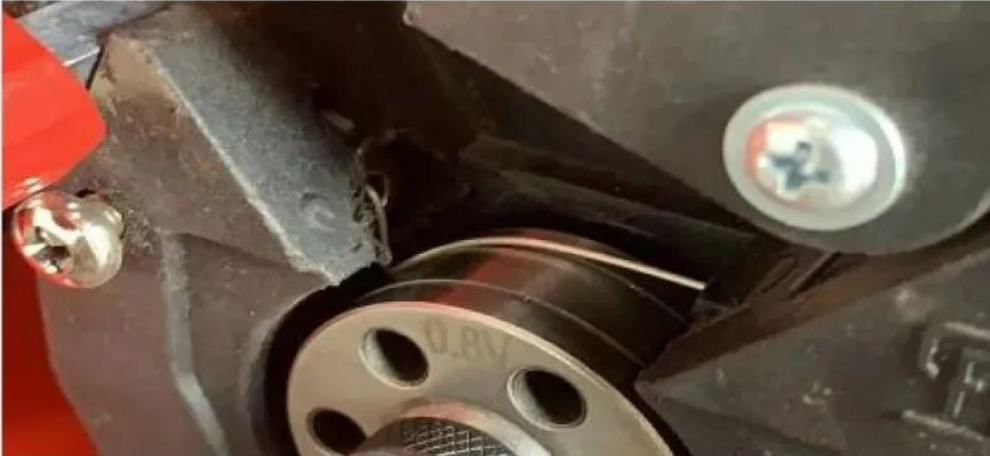
Handheld welding wire stuck
What Does Wire Feeding Jamming Look Like?
Typical symptoms include:
1.Wire gets stuck after passing through the feeding rollers
2.Inconsistent or interrupted wire feeding
3.Sudden increase in feeding resistance
4.Unstable weld seam or incomplete fusion
This issue is especially noticeable in high-precision laser welding applications, where consistent wire delivery is critical.
Root Cause: Excessive Feeding Resistance
From a mechanical perspective, the main cause of wire jamming is excessive resistance in the wire feeding path.
When resistance becomes too high:
The feeding rollers cannot push the wire forward effectively
The wire accumulates and bends inside the tube
Eventually, it gets stuck or “jams”
This problem is more likely to occur in:
Long wire feeding tubes
Curved or bent feeding paths
Soft materials such as aluminum wire
Solution 1: Optimize the Wire Feeding Structure
One of the most effective ways to solve this issue is by improving the wire feeding system design.
Key recommendations:
1.Use shorter wire feeding tubes
The longer the tube, the higher the resistance.
For example:
0.8 mm wire → recommended with 3-meter feeding tube
2.Keep the feeding tube as straight as possible
Avoid bending, twisting, or sharp angles during operation.
3.Adjust the outlet position
Slightly expose the wire feeding tube near the blockage point to reduce internal friction.
These adjustments can significantly reduce resistance and improve feeding stability.
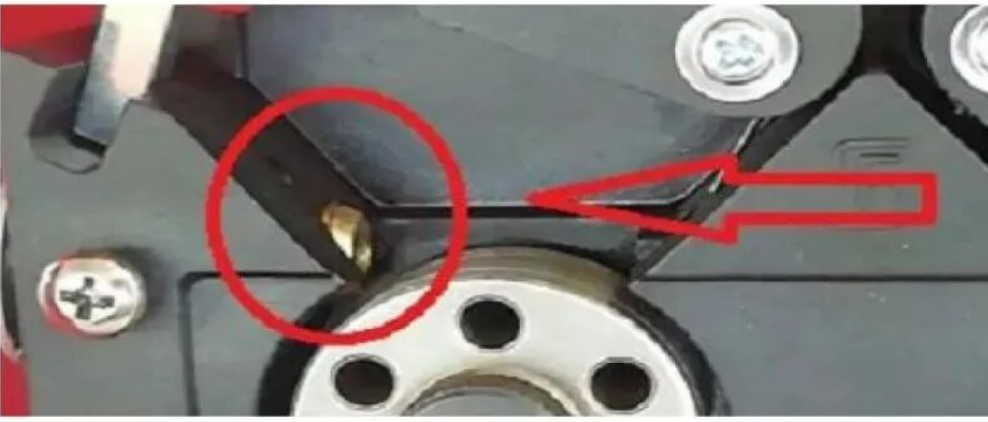
Exposed portion of the wire feed tube
Solution 2: Choose the Right Welding Wire Material
The type of welding wire plays a crucial role in feeding performance.
For different materials:
1.Stainless steel / carbon steel wire
Generally stable
No major optimization required
2.Aluminum wire (critical case)
Aluminum is softer and more prone to deformation, making it much harder to feed.
Recommended improvements:
1.Use 5xxx series aluminum alloy wire (e.g., ER5356)
Higher hardness
Better feeding performance
2.Use U-groove feeding rollers
Prevents wire deformation
3.Use graphite or Teflon (PTFE) liners
Reduces friction inside the tube
These upgrades are essential for laser welding aluminum, especially in industrial applications.
Solution 3: Replace the Wire Feeding Tube
If the above optimizations do not solve the issue, the problem may lie in wear or contamination inside the feeding tube.
When to replace:
Persistent jamming even after adjustments
Internal scratches or deformation
Increased friction due to debris or oxidation
Replacing the feeding tube is often a simple but highly effective solution.
Practical Tips from Field Experience
Based on real-world applications of laser welding machines, here are additional tips:
1.Always match wire diameter, tube length, and roller type
2.Regularly inspect and clean the feeding system
3.Avoid using low-quality or inconsistent wire materials
4.Ensure proper alignment of the wire feeding path
These small details can make a big difference in long-term performance.
Why This Matters for Your Production
Wire feeding stability directly impacts:
1.Welding quality (porosity, penetration, consistency)
2.Production efficiency (less downtime)
3.Machine lifespan (reduced mechanical stress)
For manufacturers working with stainless steel, carbon steel, or aluminum, optimizing the wire feeding system is essential to fully utilize the advantages of laser welding technology.
Get Expert Support for Your Laser Welding Application
Wire feeding issues can significantly impact your welding quality and production efficiency—but with the right setup and technical support, they can be effectively resolved.
If you are experiencing wire jamming problems or looking to optimize your handheld laser welding machine, our team is here to help. With extensive experience in laser welding applications across different materials and industries, we can provide practical solutions tailored to your needs.
Contact us today to:
Get professional recommendations for your application
Optimize your welding parameters and configuration
Request sample testing for your materials
Let ZS Laser help you achieve stable, efficient, and high-quality welding results.

WhatsApp
Scan the QR Code to start a WhatsApp chat with us.