 ZS Laser Equipment

Welding is a fundamental process in manufacturing, used to join metals and other materials in industries such as construction, automotive, electronics, and machinery.Different applications require different welding methods. Understanding the main types of welding, including how they work, where they are used, and their key characteristics, is essential for selecting the right process.
Below is a detailed explanation of 10 common welding methods used in industry.
1. Shielded Metal Arc Welding (SMAW)
Shielded Metal Arc Welding, also known as manual arc welding or stick welding, uses a consumable electrode to generate an electric arc. The heat from the arc melts both the electrode and the base material, forming a welded joint.
Applications:
Widely used in construction, steel fabrication, maintenance, and repair work. Suitable for materials such as carbon steel, stainless steel, and some non-ferrous metals.
Key Features:
- Simple equipment and low cost
- Strong adaptability to different environments
- Requires skilled operators
- Moderate welding efficiency
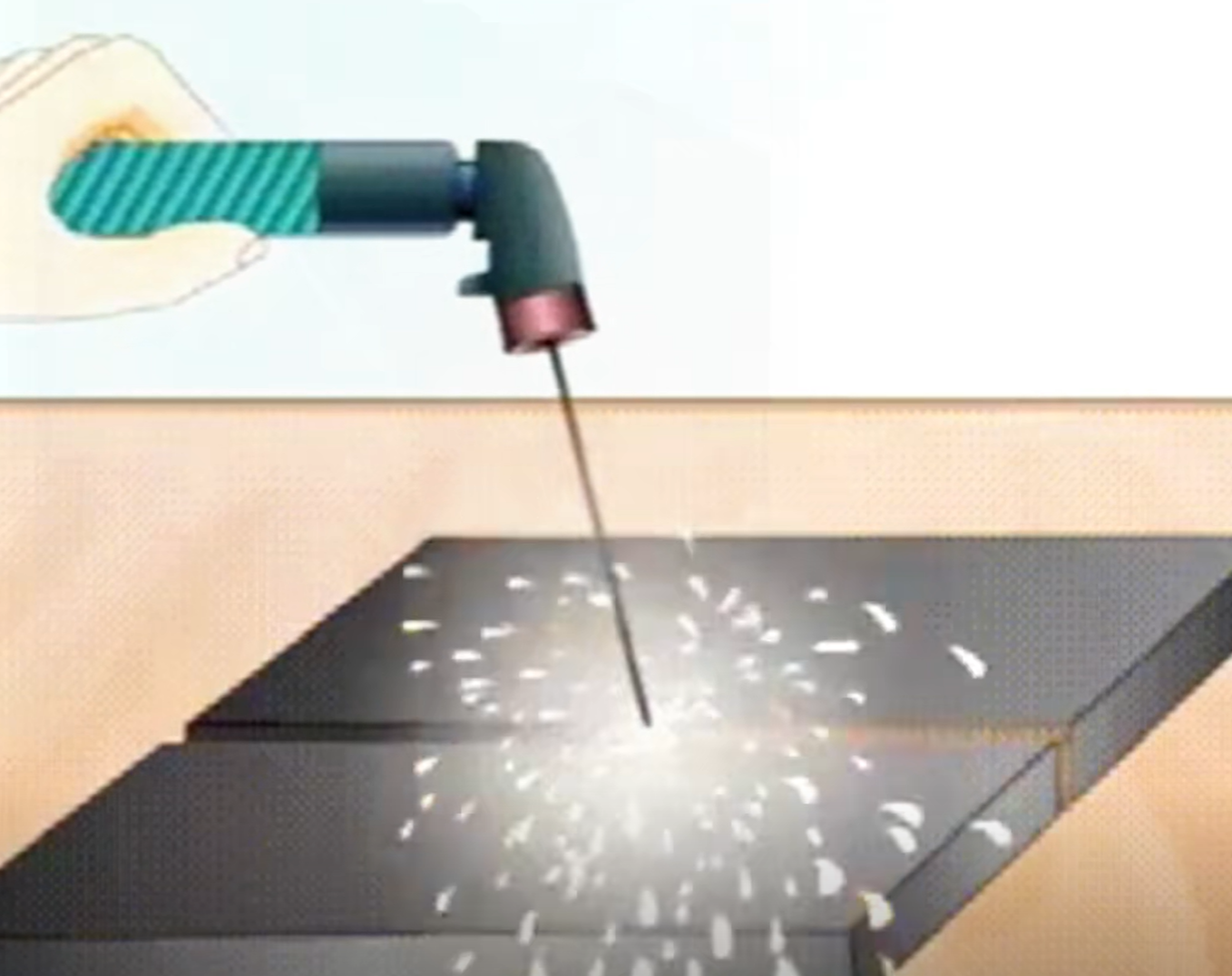
Schematic diagram of shielded metal arc welding
2. Submerged Arc Welding (SAW)
Submerged Arc Welding uses an electric arc beneath a layer of granular flux, which protects the molten metal from air contamination.
Applications:
Mainly used for welding thick steel plates, pressure vessels, pipelines, and large structural components.
Key Features:
- Deep penetration and high deposition rate
- Stable welding quality due to flux protection
- High level of automation
- Ideal for long, straight weld seams
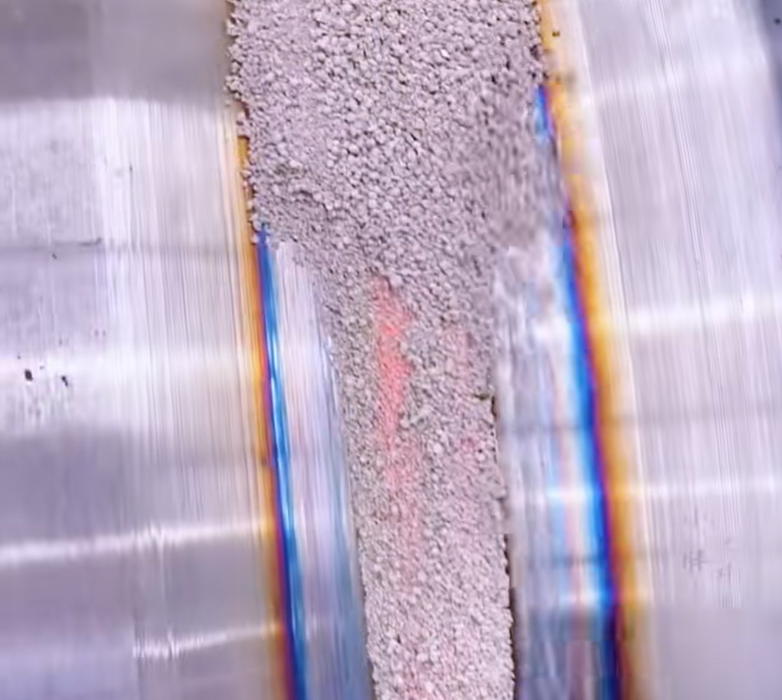
Submerged Arc Welding
3. TIG Welding (Gas Tungsten Arc Welding)
TIG welding uses a non-consumable tungsten electrode and inert gas (usually argon) to protect the weld area. Filler material can be added if needed.
Applications:
Used in industries requiring high-quality welds, such as aerospace, stainless steel fabrication, and precision components.
Key Features:
- High weld quality and clean finish
- Concentrated heat and narrow heat-affected zone
- Minimal deformation
- Slower process compared to MIG welding
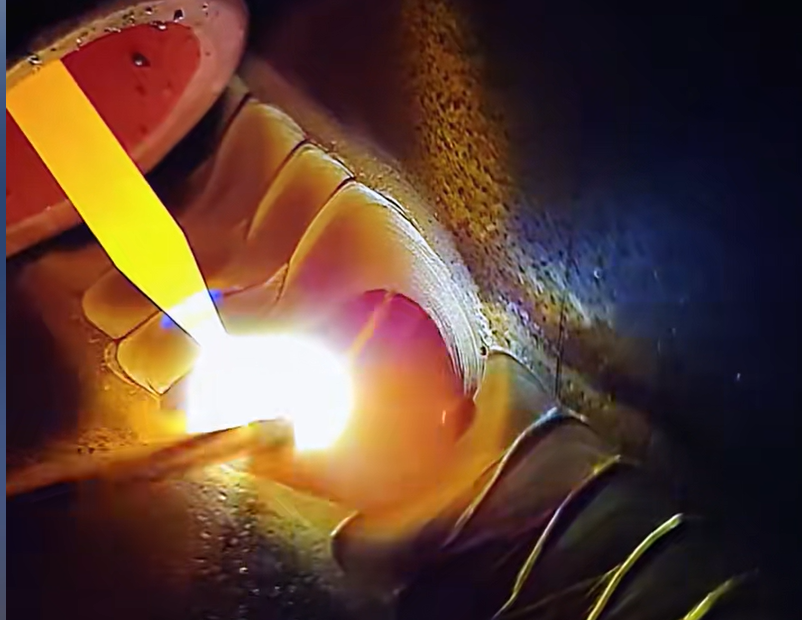
TIG Welding
4. Laser Welding
Laser welding uses a high-energy laser beam as a heat source to melt and join materials. It is one of the most advanced types of welding in modern manufacturing.
Applications:
Automotive parts, electronics, sensors, battery manufacturing, and precision metal components.
Key Features:
- High precision and repeatability
- Very low heat input and minimal distortion
- High welding speed
- Easy integration with automation systems
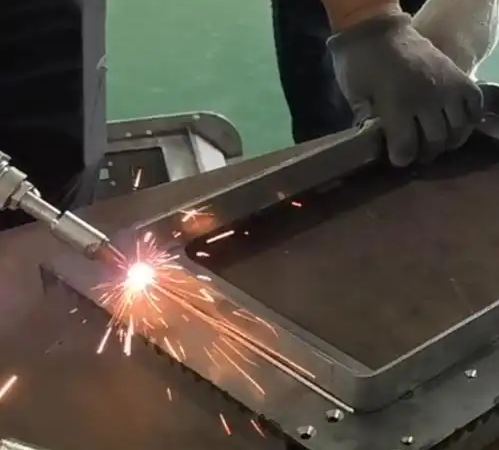
Laser Welding process
5. Gas Welding (Oxy-Fuel Welding)
Gas welding uses a flame produced by burning fuel gas (such as acetylene) with oxygen to generate heat for welding.
Applications:
Commonly used in repair work, maintenance, and thin metal welding.
Key Features:
- Simple and portable equipment
- Low initial cost
- Lower efficiency compared to modern welding methods
- Less suitable for large-scale production
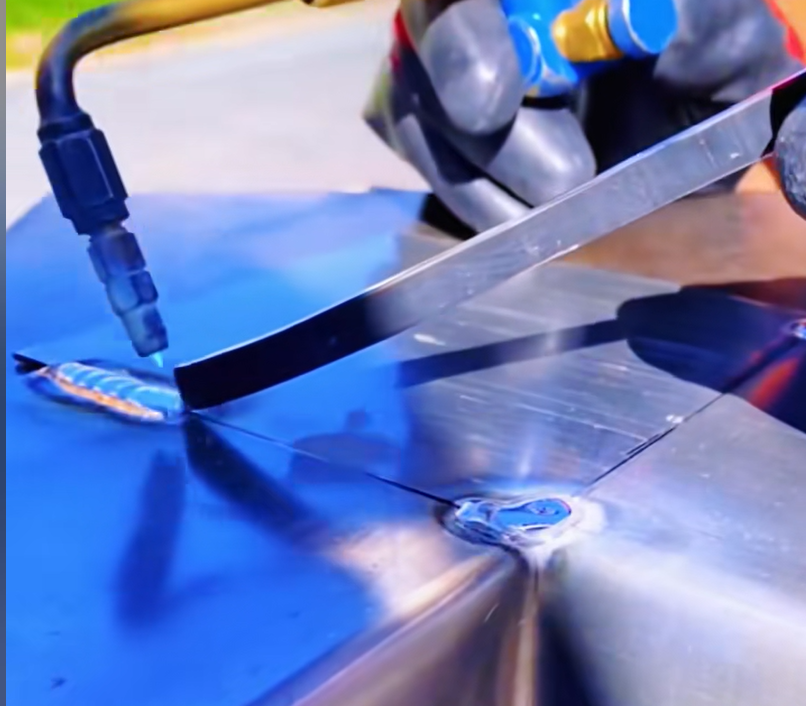
Gas Welding (Oxy-Fuel Welding)
6. CO₂ Welding (MIG/MAG Welding)
CO₂ welding, also known as MIG/MAG welding, uses a continuously fed wire electrode and shielding gas (CO₂ or mixed gases).
Applications:
Widely used in automotive manufacturing, sheet metal fabrication, and general industrial production.
Key Features:
- High efficiency and fast welding speed
- Suitable for automation
- Requires control of current, voltage, and welding speed
- Moderate weld quality depending on operator skill
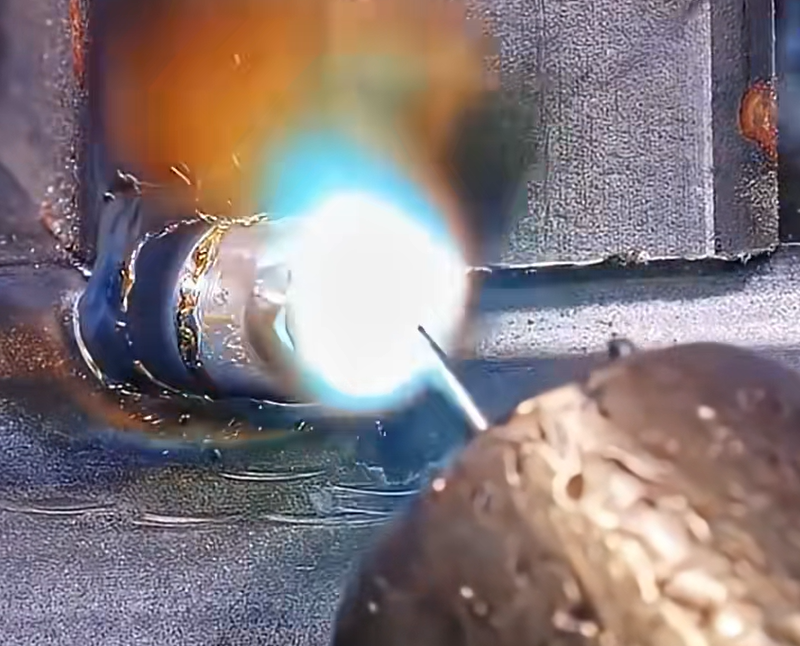
CO₂ Welding (MIGMAG Welding)
7. Friction Welding
Friction welding generates heat through mechanical friction between two materials, combined with pressure to form a solid-state joint.
Applications:
Used for shafts, rods, pipes, and automotive components.
Key Features:
- No melting required (solid-state process)
- Strong and reliable joints
- Suitable for similar and dissimilar metals
- High repeatability
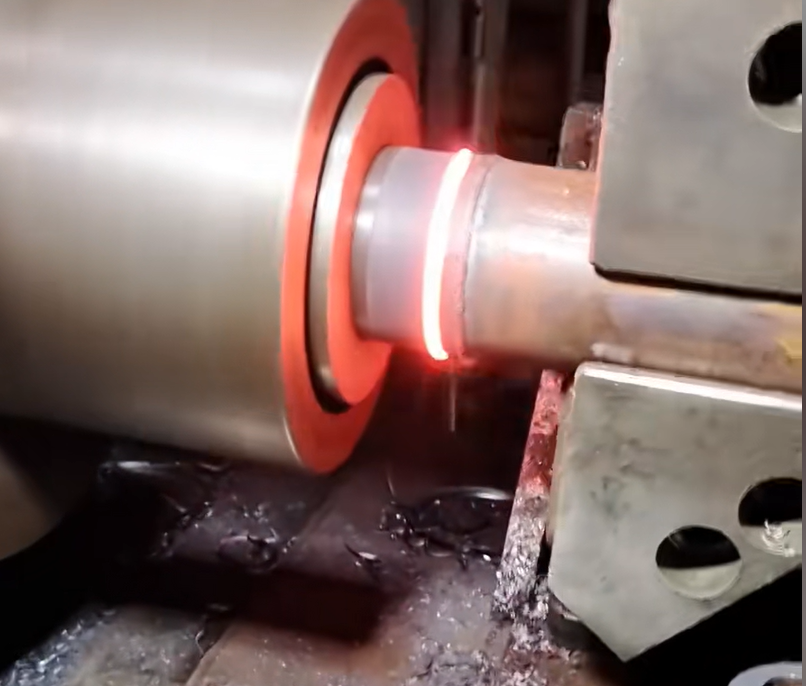
Friction Welding
8. Ultrasonic Welding
Ultrasonic welding uses high-frequency vibrations and pressure to create friction between materials, forming a molecular bond.
Applications:
Plastics, electronic components, medical devices, and thin metal parts.
Key Features:
- Fast and clean process
- No filler material required
- Low heat impact
- Ideal for precision applications
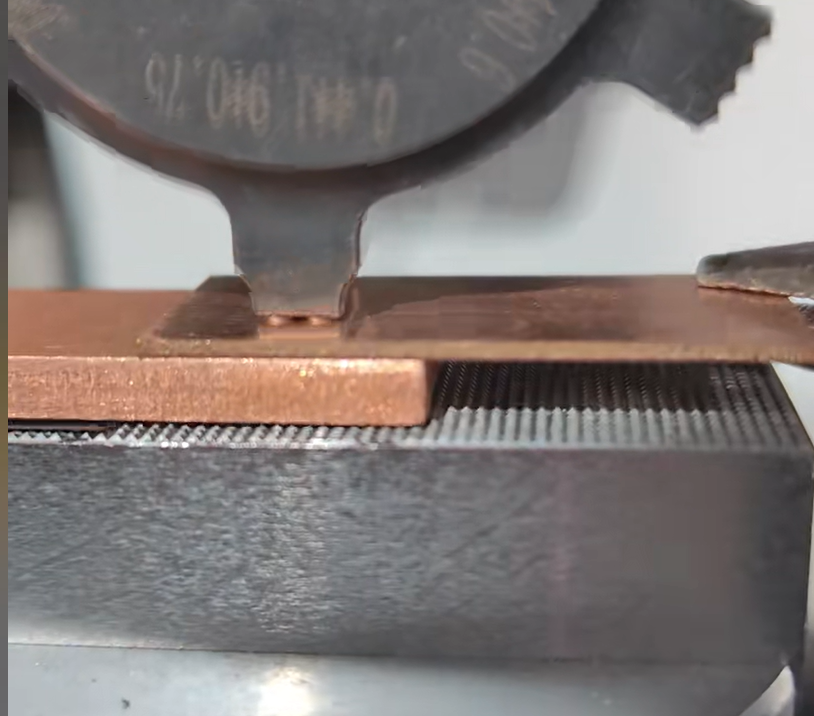
Ultrasonic Welding
9. Soldering (Soft Soldering)
Soldering uses a filler material with a melting point lower than the base materials. The base materials do not melt during the process.
Applications:
Electronics, circuit boards, and electrical connections.
Key Features:
- Low temperature process
- Suitable for delicate components
- Easy to perform
- Lower joint strength compared to welding
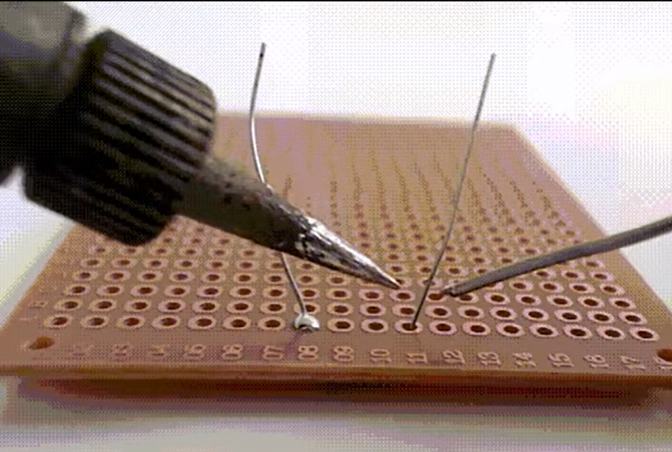
Soldering (Soft Soldering)
10. Brazing
Brazing is similar to soldering but uses a higher-temperature filler material, resulting in stronger joints.
Applications:
HVAC systems, mechanical assemblies, and joining dissimilar metals.
Key Features:
- Stronger than soldering
- Good for complex assemblies
- Limited by material compatibility
- Does not melt base materials
Conclusion
There are many different types of welding, each designed for specific materials, structures, and production requirements.
Traditional methods like arc welding and gas welding are still widely used, while advanced technologies such as laser welding are becoming increasingly important in modern manufacturing due to their precision and efficiency.
Choosing the right welding method depends on your application, material, and production goals. Understanding these differences can help improve product quality, reduce costs, and increase productivity.
If you are not sure which welding method is suitable for you,contact ZS Laser today,we will help you get the right welding solution.

WhatsApp
Scan the QR Code to start a WhatsApp chat with us.