 ZS Laser Equipment

What Is a Lithium Battery Laser Welding Machine?
A Lithium Battery Laser Welding Machine is a specialized system designed for precision welding in lithium-ion battery manufacturing. It uses a focused laser beam to join metal components such as battery tabs, busbars, and cell connectors with high accuracy and minimal heat input.
Compared with traditional welding methods, Lithium Battery Laser Welding offers:
Higher precision
Lower heat-affected zone
Better consistency in mass production
Reduced risk of damaging sensitive battery materials
Because lithium battery components are thin and heat-sensitive, laser welding has become a key technology in modern battery production.
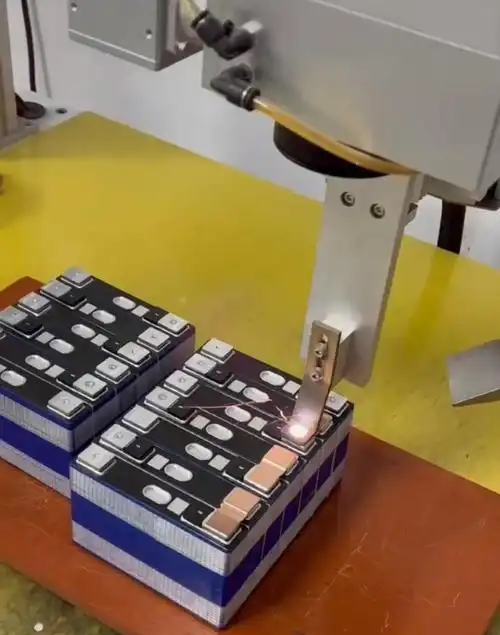
Images of laser welding of lithium batteries
Core Functions of Lithium Battery Laser Welding Machine
1.Welding Battery Tabs and Electrodes
One of the most important functions of a Lithium Battery Laser Welding Machine is welding battery tabs.Materials include nickel, aluminum, copper and so on.It is commenly used in connecting electrodes to external terminals.
Laser welding ensures:
Low electrical resistance
Strong mechanical bonding
Stable conductivity
This is a critical step in battery performance and safety.
2.Busbar and Cell Interconnection Welding
In battery modules and packs, multiple cells must be connected.Lithium Battery Laser Welding is used to:
Weld busbars to battery cells
Connect cells in series or parallel
This process directly affects:
Internal resistance
Energy efficiency
Battery lifespan
High-quality welding ensures reliable electrical transmission across the pack.
3.Battery Pack Assembly Welding
A Lithium Battery Laser Welding Machine plays a key role in battery pack assembly.It is used to:
Weld structural components
Connect modules
Integrate complete battery packs
This is especially important in:
Electric vehicles (EV)
Energy storage systems
Power battery production lines
Laser welding ensures consistent and repeatable weld quality in high-volume manufacturing.
4.Sealing and Enclosure Welding
Laser welding is also used for sealing battery components.For examples:
Welding battery covers or caps
Creating hermetic seals
This function is essential because it can:
Prevents electrolyte leakage
Improves safety
Extends battery life
A stable sealing process is critical for lithium battery reliability.
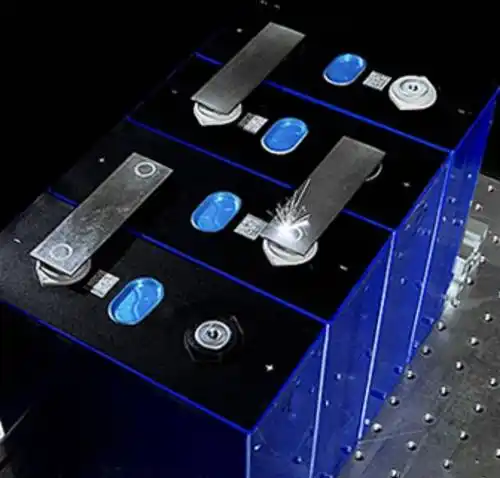
Lithium battery sealing welding
5.Precision Spot Welding of Small Components
Laser welding can perform high-precision spot welding.Typical applications include:
Battery terminals
Sensors
Connectors
Safety components
Because the laser focuses energy in a very small area, it allows:
Micron-level precision
Minimal deformation
Clean weld appearance
This is especially important in 3C electronics and high-end battery systems.
6.Welding Dissimilar Metals
Lithium batteries often involve multiple materials, such as:
Copper
Aluminum
Nickel
Laser welding can handle these combinations with proper parameter control.
This capability is important because:
Different materials have different thermal conductivity and reflectivity, requiring precise energy control during welding.
7.Repair and Maintenance of Battery Packs
In addition to production, Lithium Battery Laser Welding Machine can be used for:
Repairing faulty connections
Replacing damaged components
Extending battery lifecycle
This reduces overall maintenance cost and improves sustainability.
Applications of Lithium Battery Laser Welding
1.Electric Vehicle Battery Manufacturing
One of the most important Applications of Lithium Battery Laser Welding is in EV batteries.It is widely used for:
Power battery modules
Battery pack assembly
High-current connections
With the rapid growth of electric vehicles, the demand for laser welding in battery manufacturing continues to increase.
2.Energy Storage Systems
Lithium batteries are widely used in:
Solar energy storage
Grid storage systems
Laser welding ensures:
Long-term stability
High reliability under continuous operation
3.Consumer Electronics (3C Industry)
Laser welding is widely applied in:
Smartphones
Laptops
Wearable devices
In these applications, requirements include:
Small size
High precision
Clean appearance
Laser welding meets all these requirements effectively.
4.Cylindrical, Prismatic, and Pouch Battery Production
Different battery types require different welding processes.Laser welding is used in:
Cylindrical cells (e.g., 18650)
Prismatic batteries
Pouch cells
It provides flexible solutions for various battery structures.
5.Automated Battery Production Lines
Modern battery factories rely on automation.Lithium Battery Laser Welding Machine can be integrated with:
Robotic systems
Vision positioning systems
Automated feeding systems
This enables:
High-speed production
Reduced labor cost
Consistent welding quality
Why Lithium Battery Laser Welding Is Becoming Standard
Laser welding is gradually replacing traditional welding methods in battery manufacturing.Main reasons include:
Higher precision for thin materials
Better control of heat input
Stronger and more consistent welds
Compatibility with automation
In lithium battery production, even small welding defects can affect:
Safety
Performance
Service life
Therefore, Lithium Battery Laser Welding has become a key process in high-end battery manufacturing.
Key Advantages of Lithium Battery Laser Welding Machine
High precision and repeatability
Minimal heat-affected zone
Suitable for thin and sensitive materials
High-speed production capability
Easy integration into automated lines
Conclusion
A Lithium Battery Laser Welding Machine is essential equipment in modern battery manufacturing.
Its core functions include:
Welding battery tabs and busbars
Connecting cells and modules
Sealing battery structures
Supporting precision component welding
The Applications of Lithium Battery Laser Welding cover:
Electric vehicles
Energy storage systems
Consumer electronics
Automated production lines
As lithium battery demand continues to grow, laser welding will play an increasingly important role in ensuring efficiency, safety, and product consistency.

WhatsApp
Scan the QR Code to start a WhatsApp chat with us.