 ZS Laser Equipment

Aluminum is widely used in automotive parts, machinery, sheet metal, doors and windows, frames, transportation equipment, and many other applications. It is lightweight, corrosion-resistant, and highly conductive, but welding aluminum can be more challenging than welding carbon steel.So, what is the best way to weld aluminum?
There is no single welding method that is best for every aluminum application. The right process depends on the aluminum alloy, material thickness, joint design, required strength, weld appearance, production volume, and welding speed.
The three most common options are TIG welding, MIG welding, and laser welding. Understanding the advantages and limitations of each method can help you choose the right solution.
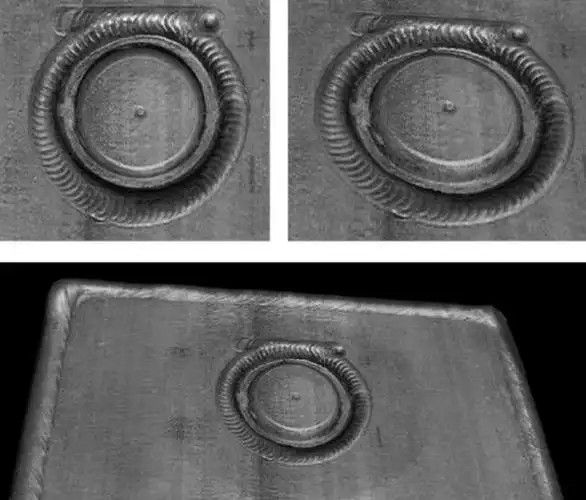
Aluminum-cased lithium battery sealing welding
Why Is Aluminum Difficult to Weld?
Before choosing a welding method, it is important to understand why aluminum can be difficult to weld.
Aluminum quickly forms a layer of aluminum oxide on its surface. This oxide has a much higher melting point than aluminum itself and can affect weld formation if the surface is not properly prepared.
Aluminum also has high thermal conductivity, meaning that heat is quickly transferred away from the welding area. This makes heat control more difficult and can increase the risk of insufficient penetration or burn-through.
In addition, aluminum has relatively high thermal expansion and can be susceptible to porosity and hot cracking depending on the alloy and welding conditions.
For these reasons, aluminum welding requires appropriate equipment, surface preparation, shielding gas, filler wire, and process parameters.
Best Methods for Welding Aluminum
TIG Welding Aluminum
TIG is one of the most established methods for welding aluminum.It provides excellent control over the welding arc and can produce high-quality welds, making it particularly useful for thin materials, precision work, repair, and applications where weld appearance is important.
However, aluminum TIG welding requires a relatively high level of operator skill. The welder needs to control the torch, arc, travel speed, filler wire, shielding gas, and AC welding parameters.TIG welding is therefore a good choice when welding quality and precise control are more important than production speed.
Best for:
- Thin aluminum
- Precision welding
- Repair work
- Small-batch fabrication
- Applications requiring excellent weld appearance
MIG Welding Aluminum
MIG welding can provide higher productivity than TIG and is widely used for aluminum fabrication.It is suitable for thicker aluminum components and production applications where welding speed is important.
However, aluminum wire feeding can be more demanding than steel wire feeding, and MIG welding generally introduces more heat into the workpiece than laser welding.This can result in greater distortion and may require more post-weld finishing.
Best for:
- General aluminum fabrication
- Medium and thicker aluminum
- Higher-volume welding
- Structural and fabrication work
Handheld Laser Welding Aluminum
Handheld laser welding has become an increasingly attractive option for aluminum fabrication.
Compared with traditional arc welding, laser welding concentrates energy into a much smaller area. This can provide higher welding speeds, lower overall heat input, and better control of distortion.
A properly configured handheld laser welder can also produce narrow and attractive weld beads, reducing the amount of grinding and finishing required after welding.
For manufacturers working with aluminum sheet, profiles, frames, cabinets, and other fabricated components, these advantages can make laser welding particularly attractive.
Best for:
- Aluminum sheet metal
- Aluminum profiles
- Frames and cabinets
- Fast production
- Applications requiring low distortion
- Applications where weld appearance is important
However, laser welding is not automatically the best solution for every aluminum application. Machine configuration, laser power, filler wire, shielding gas, joint design, and surface preparation all affect the final result.
TIG vs. MIG vs. Laser Welding Aluminum
| Feature | TIG Welding | MIG Welding | Laser Welding |
|---|---|---|---|
| Welding Speed | Low | Medium–High | High |
| Heat Input | High | Medium–High | Low |
| Distortion | Medium | Medium–High | Low |
| Weld Appearance | Excellent | Good | Excellent |
| Operator Skill | High | Medium | Medium |
| Thin Aluminum | Excellent | Good | Excellent |
| Thick Aluminum | Good | Excellent | Depends on power and joint |
| Post-Weld Finishing | Often required | Often required | Usually less |
| Production Efficiency | Low–Medium | High | High |
The table provides a general comparison. Actual performance depends on the material, joint design, equipment, and welding parameters.
What Is the Best Way to Weld Different Aluminum Alloys?
Different aluminum alloys can have significantly different welding characteristics.
5052 Aluminum
5052 is widely used in sheet metal, tanks, cabinets, and general fabrication. It generally has good weldability and can be welded using TIG, MIG, or laser welding depending on the application.
For thin 5052 sheet, laser welding can be attractive when low distortion and high production speed are important.
5083 Aluminum
5083 is commonly used in marine and structural applications. It has good weldability and can be processed using conventional arc welding as well as laser welding when the process is properly developed.
6061 Aluminum
6061 is widely used for aluminum profiles, machinery structures, frames, and automotive components.
It can be welded, but its metallurgy requires more attention to filler selection and heat input. Certain welding conditions can increase the risk of hot cracking.For demanding 6061 applications, the filler wire and welding parameters should be selected according to the specific joint and performance requirements.
6063 Aluminum
6063 is commonly found in aluminum profiles, doors, windows, and architectural components.
It can be welded using TIG, MIG, or laser welding. For finished profiles and appearance-sensitive products, laser welding can be attractive because of its concentrated heat input and relatively low distortion.
1060 Aluminum
1060 is commercially pure aluminum and is commonly used in applications such as electrical components and decorative products.
Because of its high thermal conductivity and fluidity, thin 1060 material requires careful control of laser power and welding speed to prevent burn-through.
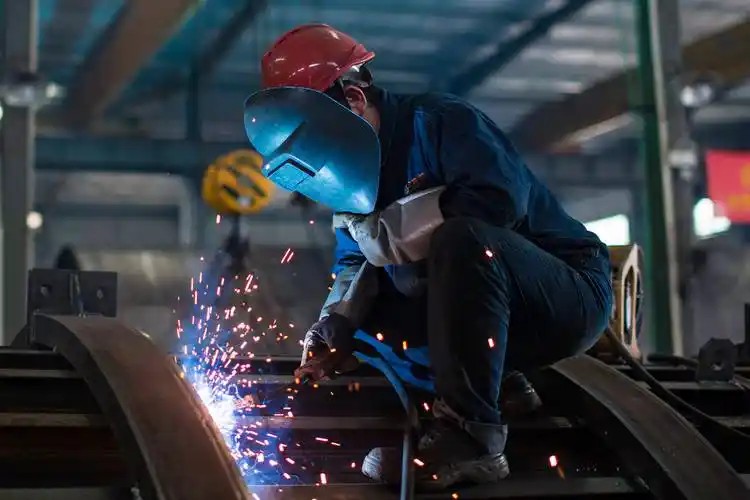
Welding on site
What Is the Best Way to Weld Thin Aluminum?
For thin aluminum sheet, the main challenge is controlling heat.
Too much heat can cause:
- Burn-through
- Distortion
- Excessive melting
- Poor weld formation
TIG can provide excellent control, but it requires a skilled operator and is relatively slow.
Laser welding can be particularly attractive for thin aluminum because the energy is concentrated into a small welding area. When the parameters are properly adjusted, it can provide high welding speed and relatively low distortion.
For thin sheet metal production, this is one of the main reasons manufacturers consider handheld laser welding.
What Is the Best Way to Weld Thick Aluminum?
Thicker aluminum requires a different approach.The required welding method depends on:
- Material thickness
- Alloy
- Joint configuration
- Required penetration
- Production volume
- Required welding speed
MIG welding remains a practical choice for many thick aluminum fabrication applications.
Laser welding can also be used for thicker aluminum when sufficient laser power and appropriate joint preparation are available. Multiple passes and filler wire may be required depending on the application.
For very thick aluminum components or high-volume production, an automated laser welding system, robotic welding cell, or conventional industrial welding process may be more appropriate than a handheld machine.
How to Get Better Aluminum Welds
Regardless of the welding method, several factors are important.
Clean the Aluminum
Remove oil, grease, dirt, moisture, and excessive oxide contamination before welding.
Good surface preparation helps reduce porosity and improves welding consistency.
Choose the Correct Filler Wire
Filler wire should be selected according to the aluminum alloy and application.
Common aluminum filler wires include 4043 and 5356, but the correct choice depends on the base material, required strength, corrosion resistance, and joint requirements.
Use Proper Shielding Gas
Argon is commonly used for aluminum welding.
The gas flow rate should be matched to the welding torch, nozzle, joint design, and welding conditions.
Match the Welding Process to the Application
There is no universal “best” aluminum welding process.
TIG may be the better choice when precise control is the priority.
MIG may be more suitable for general fabrication and thicker aluminum.
Laser welding can be particularly attractive when high speed, low distortion, and good weld appearance are important.
So, What Is the Best Way to Weld Aluminum?
The best way to weld aluminum depends on what you are trying to achieve.
TIG is an excellent choice for precision and thin aluminum, especially when operator control is important.
MIG is a practical solution for general fabrication, thicker materials, and higher-volume production.
Laser welding is particularly attractive when manufacturers need high welding speed, low heat input, low distortion, and good weld appearance.
For many aluminum sheet, profile, frame, cabinet, and machinery applications, a handheld laser welder can provide an excellent balance between welding quality and production efficiency.However, the actual material and application should always be tested before production, especially when welding unfamiliar aluminum alloys or demanding joints.
Conclusion
There is no single best way to weld every aluminum product. The right process depends on the material, thickness, joint, and production requirements.For applications where speed, low distortion, and weld appearance are important, handheld laser welding is becoming an increasingly attractive option.
ZS Laser provides handheld laser welding solutions for aluminum and other metal materials. Sample testing is available to help determine the appropriate machine and welding parameters for your application.

WhatsApp
Scan the QR Code to start a WhatsApp chat with us.