 ZS Laser Equipment

Aluminum is one of the most commonly welded metals in modern manufacturing. However, many people assume that all aluminum materials have similar welding characteristics. In reality, cast aluminum is very different from wrought aluminum, and the welding process can be much more challenging.
Whether you’re repairing an automotive engine block, welding a gearbox housing, restoring an aluminum wheel, or manufacturing industrial components, understanding the characteristics of cast aluminum is essential for achieving reliable welds.
In this guide, we’ll explain what cast aluminum is, why it’s more difficult to weld than regular aluminum, which welding methods work best, and whether laser welding is a suitable solution.
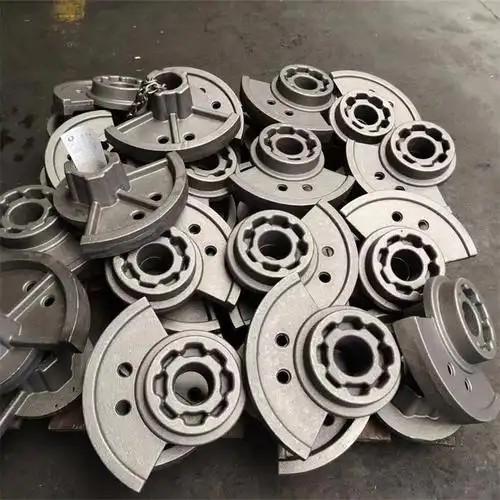
cast aluminum
What Is Cast Aluminum?
Cast aluminum is aluminum that has been melted and poured into a mold to create a specific shape. Unlike aluminum sheets, plates, tubes, or extruded profiles, cast aluminum parts are manufactured through a casting process rather than rolling or extrusion.
Because casting allows manufacturers to produce complex geometries at a lower cost, cast aluminum is widely used across many industries.
Common cast aluminum components include:
Automotive engine blocks
Transmission and gearbox housings
Electric motor housings
Pump and compressor housings
Aluminum wheels
Valve bodies
Industrial machinery components
Some battery and electronic enclosures
Many popular casting alloys, such as A356, A380, ADC12, and AlSi10Mg, contain higher levels of silicon and other alloying elements than wrought aluminum, which directly affects weldability.
Cast Aluminum vs. Wrought Aluminum
Although both materials are aluminum alloys, their manufacturing methods and welding characteristics are quite different.
| Cast Aluminum | Wrought Aluminum |
|---|---|
| Manufactured by casting molten aluminum into molds | Manufactured by rolling, extrusion, or forging |
| Often contains higher silicon content | Usually has lower silicon content |
| May contain internal porosity | Dense internal structure |
| More difficult to weld | Easier to weld |
| Common in automotive and machinery parts | Common in sheets, plates, tubes, and structural profiles |
Many welding problems occur because welders use the same parameters for cast aluminum that they use for aluminum sheet or extrusion.
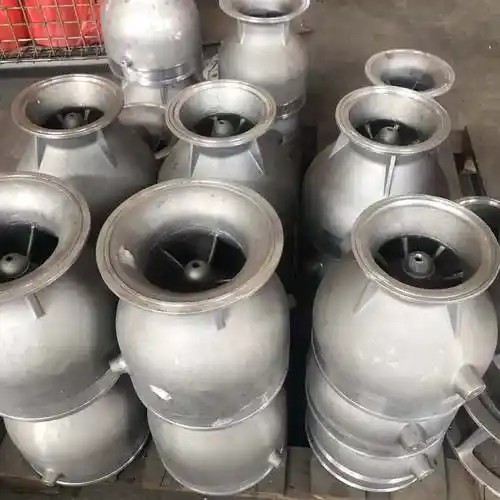
cast aluminum fittings
Why Is Cast Aluminum Difficult to Weld?
Cast aluminum has a reputation for being one of the more difficult aluminum materials to weld. The challenge isn’t the aluminum itself—it’s the casting process and alloy composition.
Internal Porosity
One of the biggest problems with cast aluminum is porosity.
During the casting process, small gas pockets can become trapped inside the metal. These pores may not be visible from the surface, but once welding begins, they expand under high temperatures and release gas into the molten weld pool.
This often results in:
- Blowholes
- Pinholes
- Weld porosity
- Weak weld joints
It’s common for welders to wonder why bubbles continue appearing even after carefully cleaning the surface. In many cases, the porosity already exists inside the casting.
Higher Silicon Content
Many cast aluminum alloys contain a relatively high percentage of silicon to improve casting performance.
While silicon enhances fluidity during casting, excessive silicon can increase the likelihood of:
- Hot cracking
- Brittle welds
- Reduced ductility
Different alloys behave very differently during welding. For example, A356 generally offers better weldability than ADC12, which often contains higher silicon content and more impurities.
Oxidation and Surface Contamination
Many cast aluminum parts spend years operating in harsh environments before repair.
Engine components, pump housings, and transmission cases often accumulate:
- Oxide layers
- Oil
- Grease
- Carbon deposits
- Dirt
If these contaminants are not completely removed before welding, defects such as porosity, lack of fusion, and inclusions are much more likely to occur.
Proper surface preparation is often just as important as selecting the correct welding process.
Thermal Cracking
Cast aluminum experiences significant expansion and contraction during welding.
Combined with its alloy composition, this increases the risk of thermal cracking, especially in thick sections or heavily restrained parts.
Careful heat control is essential to minimize stress and reduce crack formation.
Which Welding Method Is Best for Cast Aluminum?
Several welding processes can be used for cast aluminum, but each has its own strengths and limitations.
TIG Welding
TIG welding is the most common process for repairing cast aluminum.
Advantages include:
- Excellent control of the weld pool
- High-quality weld appearance
- Suitable for thin sections and repair work
- Ideal for engine parts, pump housings, and precision components
The main drawback is relatively slow welding speed and a high dependence on operator skill.
MIG Welding
MIG welding is often selected for thicker cast aluminum parts and higher production efficiency.
Compared with TIG welding, MIG offers:
- Faster welding speed
- Higher deposition rate
- Better productivity for larger components
However, it generally produces more spatter and may not provide the same level of appearance quality as TIG welding.
Laser Welding
Laser welding has become increasingly popular in aluminum manufacturing because it offers:
- Extremely high welding speed
- Small heat-affected zone
- Minimal distortion
- Narrow, attractive weld seams
- Easy integration with automated production lines
However, laser welding is not suitable for every cast aluminum alloy.
Because cast aluminum often contains internal porosity and varying silicon content, welding performance depends heavily on the material quality.
Some cast alloys, such as A356, can achieve excellent laser welding results after proper cleaning and parameter optimization.
Other alloys, especially high-pressure die-cast materials like ADC12, may produce excessive porosity or cracking due to their high silicon content and trapped gases.
For this reason, sample testing is strongly recommended before production welding.
Tips for Successfully Welding Cast Aluminum
Regardless of the welding method, following good welding practices can greatly improve weld quality.
Before welding cast aluminum, it’s recommended to:
- Thoroughly remove oil, grease, oxidation, and contamination.
- Identify the aluminum alloy whenever possible.
- Choose an appropriate filler material.
- Use suitable shielding gas.
- Carefully control heat input.
- Reduce residual stress during welding.
- Perform sample welding before mass production.
These steps can significantly reduce defects and improve weld consistency.
Is Laser Welding Right for Your Cast Aluminum Parts?
Laser welding offers excellent speed, precision, and low distortion, making it an attractive solution for many aluminum applications.
However, unlike aluminum sheets or extrusions, cast aluminum requires more careful evaluation before laser welding. Alloy composition, porosity level, casting quality, and part geometry all influence the final welding result.
Rather than assuming every casting can be welded successfully, professional testing is the safest approach.
At ZS Laser, we provide complete laser welding solutions for aluminum applications, including handheld laser welders, automatic laser welding machines, and robotic laser welding systems. Our engineering team can perform sample welding, optimize process parameters, and recommend the most suitable solution based on your specific cast aluminum material and production requirements.
If you’re planning to laser weld cast aluminum components, contact ZS Laser to discuss your application and receive professional technical support.

WhatsApp
Scan the QR Code to start a WhatsApp chat with us.