 ZS Laser Equipment

Copper is widely used in electrical systems, batteries, power equipment, heat exchangers, automotive components, and industrial machinery due to its excellent electrical conductivity, thermal conductivity, and corrosion resistance.
However, copper welding is often considered one of the most challenging welding applications. Many manufacturers struggle with issues such as:
- Lack of fusion
- Porosity
- Excessive heat input
- Distortion
- Cracking
- Unstable weld quality
Understanding the characteristics of copper and selecting the proper welding method are essential for achieving reliable welding results.
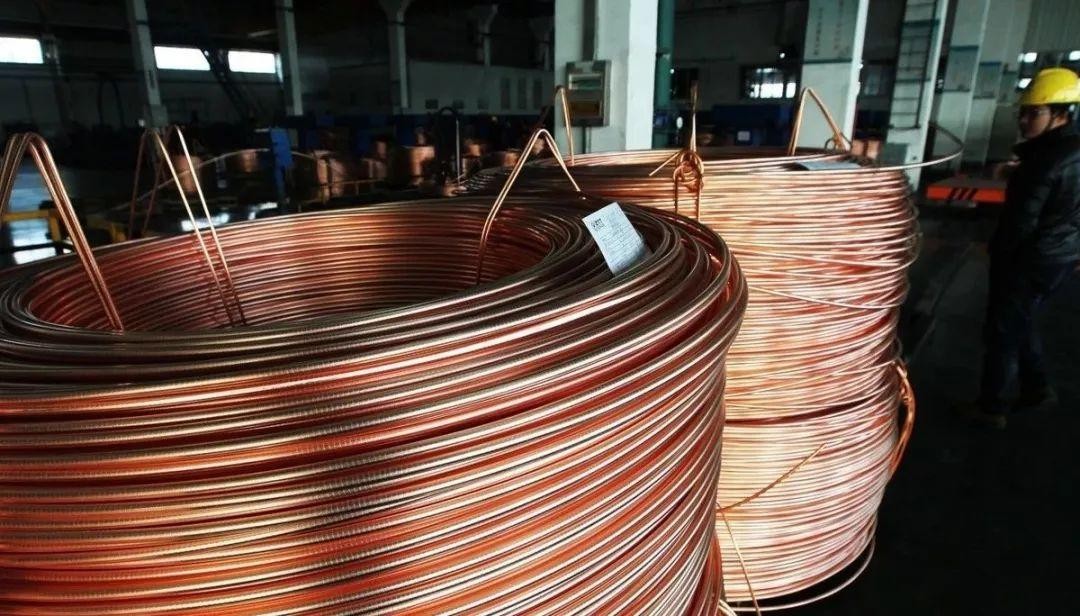
Copper Material
What Makes Copper Difficult to Weld?
Although copper is a soft and highly conductive metal, these same properties create challenges during welding.
Extremely High Thermal Conductivity
Copper conducts heat approximately 8–10 times faster than carbon steel.
This means heat quickly spreads away from the welding zone, making it difficult to maintain a stable molten pool.
As a result:
- More heat input is required
- Penetration can be inconsistent
- Thin materials may deform easily
Oxidation Issues
When heated, copper rapidly forms an oxide layer on its surface.
Copper oxide can cause:
- Porosity
- Lack of fusion
- Inclusion defects
Therefore, thorough cleaning before welding is critical.
Hydrogen Absorption
Molten copper can absorb hydrogen from moisture, oil contamination, or shielding gas impurities.
During solidification, hydrogen may become trapped inside the weld, creating porosity and reducing weld strength.
Types of Copper Used in Welding
Not all copper materials behave the same during welding.
Pure Copper (Red Copper)
Pure copper, also known as red copper, contains more than 99.9% copper.
Applications include:
- Busbars
- Electrical connectors
- Battery components
- Heat exchangers
Pure copper offers the highest conductivity but is also the most difficult to weld because of its high heat conductivity.
Brass
Brass is a copper-zinc alloy.
Common applications include:
- Valves
- Plumbing fittings
- Decorative hardware
- Heat transfer components
Compared with pure copper, brass is easier to melt but introduces another challenge: zinc evaporation.
During welding, zinc can vaporize and create:
- Fumes
- Porosity
- Weld defects
Proper ventilation and process control are essential.
Common Copper Welding Methods
Several welding processes can be used depending on the application and production volume.
TIG Welding Copper
TIG welding is one of the most common methods for copper welding.
Advantages:
- High weld quality
- Excellent appearance
- Precise heat control
Commonly used for:
- Thin copper sheets
- Precision components
- Electrical equipment
Because copper dissipates heat rapidly, preheating is often required.
Typical preheat temperatures:
- Below 3 mm thickness: 150–300°C
- Above 3 mm thickness: 350–500°C
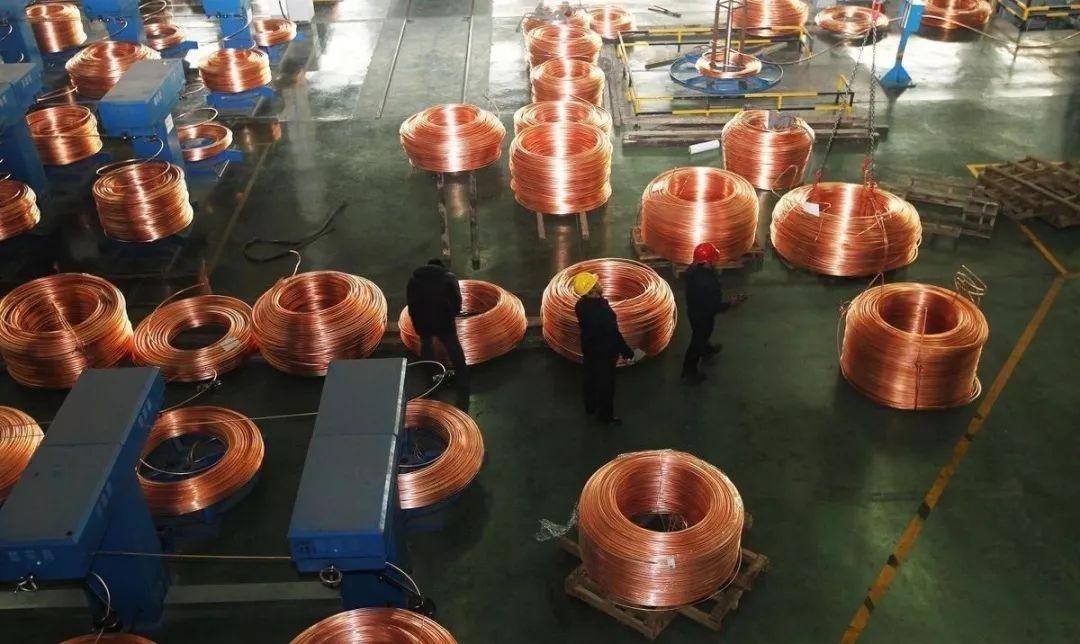
Copper Welding Wire
MIG Welding Copper
MIG welding provides higher productivity than TIG welding.
Advantages:
- Faster welding speed
- Easier automation
- Suitable for thicker materials
Applications:
- Industrial fabrication
- Structural copper components
- Large assemblies
However, spatter control and shielding gas selection become more important.
Stick Welding Copper
Shielded Metal Arc Welding (SMAW) can also be used for copper welding, especially in maintenance and repair applications.
Low-hydrogen copper electrodes are typically recommended.
For thicker copper sections:
- Joint cleaning is essential
- Preheating is required
- Fast travel speed is preferred
Gas Welding Copper
Gas welding remains a traditional method for copper fabrication.
A neutral flame is normally used.
Applications include:
- Repair work
- Thin copper sheet welding
- Small workshop production
Although still effective, gas welding is gradually being replaced by TIG and laser welding technologies.
Brass Welding Considerations
Brass welding differs significantly from pure copper welding.
The primary challenge comes from zinc.
Since zinc boils at approximately 907°C, it evaporates during welding and may cause:
- Porosity
- Zinc loss
- Reduced weld strength
- Toxic fumes
To minimize these issues:
- Use proper filler wire
- Maintain short arc lengths
- Increase welding speed
- Ensure adequate ventilation
For critical applications, post-weld stress relief treatment may also be required.
Can Copper Be Laser Welded?
Yes.
Modern fiber laser welding systems can successfully weld copper and copper alloys.
However, copper remains one of the most difficult materials for laser welding.
Why Copper Is Challenging for Laser Welding
Copper reflects much of the laser energy, especially when using lower-power laser systems.
Challenges include:
- High reflectivity
- High thermal conductivity
- Process instability
- Limited penetration at low power levels
Fortunately, modern high-brightness fiber lasers have significantly improved copper welding performance.
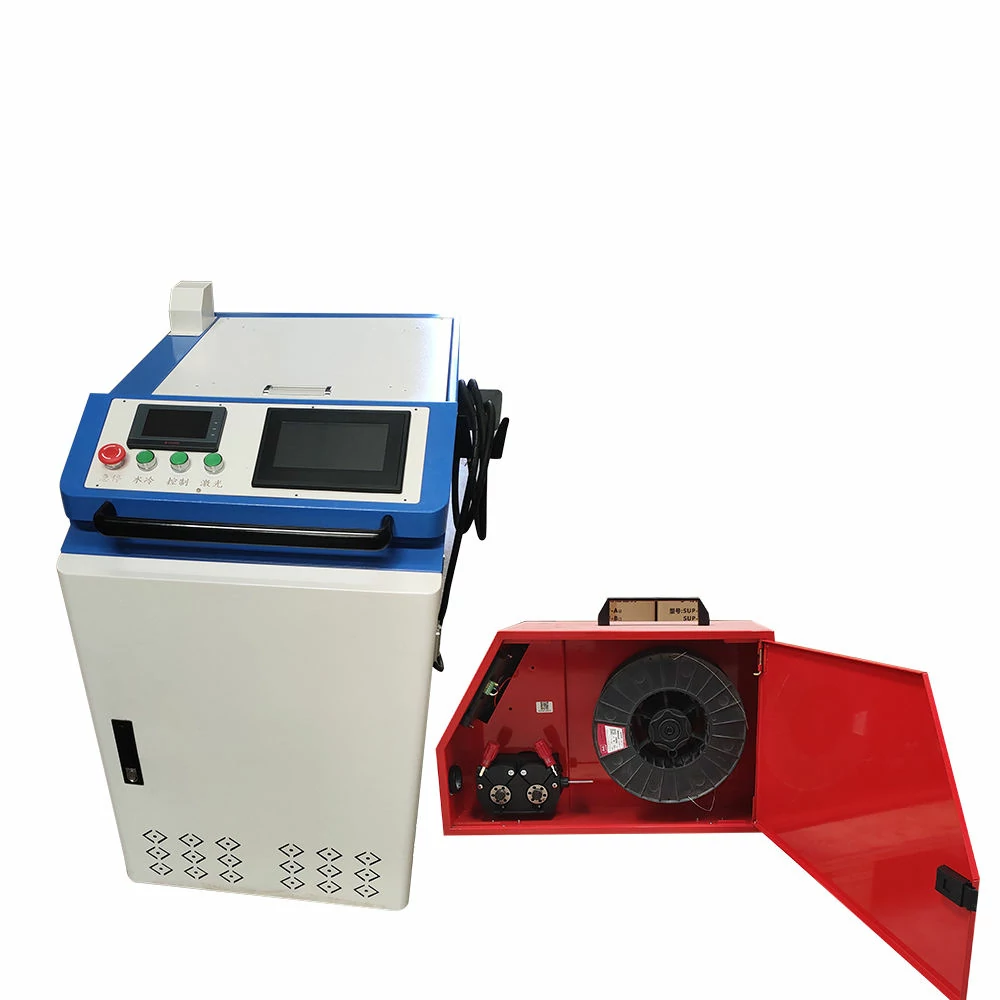
Handheld Copper Laser Welding Machine
Advantages of Copper Laser Welding
Compared with traditional welding methods, copper laser welding offers:
- Faster welding speed
- Narrow heat affected zone
- Minimal distortion
- High automation capability
- Excellent repeatability
Applications include:
- Battery tab welding
- EV battery manufacturing
- Busbar welding
- Motor components
- Electronic assemblies
Important Notes Before Laser Welding Copper
Because copper behaves differently from steel or stainless steel, sample testing is highly recommended before production.
Factors that should be evaluated include:
- Material grade
- Thickness
- Joint design
- Required penetration
- Production speed
A proper welding trial can help determine whether laser welding is suitable for the application.
Best Practices for Welding Copper
Regardless of the welding process, several rules can significantly improve weld quality.
Clean the Material Thoroughly
Remove:
- Oxide layers
- Oil
- Dirt
- Moisture
before welding.
Use Proper Preheating
Preheating reduces cooling rates and improves penetration.
It is particularly important for thick pure copper sections.
Select the Correct Filler Material
Matching filler metals improve:
- Strength
- Conductivity
- Corrosion resistance
Maintain Adequate Shielding Gas Protection
Proper shielding helps reduce:
- Oxidation
- Porosity
- Weld contamination
Perform Welding Trials
Because copper grades vary greatly, production testing should always be performed before large-scale manufacturing.
Conclusion
Copper welding is far more complex than welding carbon steel or stainless steel. The high thermal conductivity, oxidation tendency, and material-specific characteristics of pure copper and brass require careful process selection and parameter control.
Whether using TIG welding, MIG welding, stick welding, or advanced fiber laser welding systems, understanding the material and performing proper welding trials are essential for achieving high-quality results.
At ZS Laser, we provide professional welding solutions for copper, brass, stainless steel, carbon steel, and aluminum applications. From handheld laser welders to fully automated welding systems, our team can help evaluate your project, perform welding tests, and recommend the most suitable solution for your production needs. Contact us today to discuss your copper welding requirements.

WhatsApp
Scan the QR Code to start a WhatsApp chat with us.