 ZS Laser Equipment

Steel welding is one of the most common manufacturing processes in industries such as construction, machinery manufacturing, automotive production, pressure vessels, and pipeline fabrication. Carbon steel, in particular, is widely used because of its excellent mechanical properties, affordability, and versatility.
Although carbon steel is generally considered easier to weld than many alloy materials, welding problems can still occur during production. Common issues include weld cracking, porosity, distortion, lack of fusion, and insufficient weld strength. As the carbon content increases, the weldability of steel decreases, making proper welding procedures increasingly important.
Before performing steel welding, it is essential to understand the characteristics of the material and apply the correct welding techniques to ensure high-quality and reliable welds.
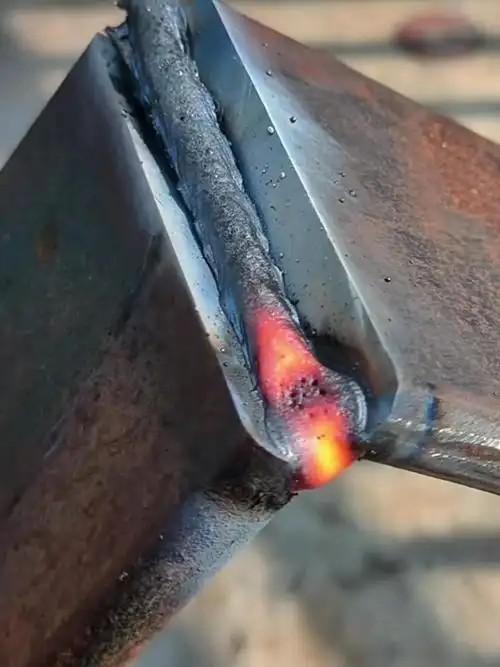
Carbon Steel Welding
Understanding Carbon Steel and Its Weldability
Carbon steel is primarily composed of iron and carbon. Based on carbon content, it is generally divided into three categories:
| Steel Type | Carbon Content |
|---|---|
| Low Carbon Steel | Less than 0.25% |
| Medium Carbon Steel | 0.25% – 0.60% |
| High Carbon Steel | Above 0.60% |
The carbon content directly affects weldability. In general, the higher the carbon content, the more difficult the steel welding process becomes.
Low carbon steel offers excellent weldability and can usually be welded without special precautions. Medium carbon steel is more susceptible to cracking, while high carbon steel presents the greatest welding challenges and often requires strict process control.
Why Do Steel Welding Defects Occur?
During steel welding, the material experiences rapid heating and cooling cycles. These drastic temperature changes alter the microstructure of the steel.
In medium and high carbon steels, the heat-affected zone (HAZ) can form hard and brittle martensite during cooling. This microstructural transformation increases the risk of welding defects.
One of the most common problems is cold cracking, which may appear several hours or even days after welding. Cold cracks are typically associated with hydrogen content, welding stress, and martensitic structures.
Hot cracking can also occur during weld solidification and is often related to impurities such as sulfur and phosphorus.
Excessive heat input may lead to welding distortion, especially when welding thin steel sheets. In addition, porosity may form if the shielding gas is insufficient or if contaminants such as oil, rust, moisture, or oxide layers remain on the surface before welding.Therefore, when welding carbon steel, the following aspects should be noted.
1.Proper Surface Preparation Is Critical
Many welding defects are not caused by equipment failures but by inadequate surface preparation.
Before starting any steel welding operation, the welding area should be thoroughly cleaned to remove contaminants, including:
- Oil and grease
- Rust
- Oxide layers
- Moisture
- Paints and coatings
A clean welding surface helps improve arc stability, reduce porosity, and increase weld quality.
2.Select the Appropriate Welding Process Based on Carbon Content
Not all carbon steels should be welded using the same parameters.
Low carbon steel generally provides the best weldability and often requires no preheating. Common welding methods include MIG welding, TIG welding, laser welding, and conventional arc welding.
Medium carbon steel requires additional attention because of its tendency to crack. Preheating, low-hydrogen welding consumables, and controlled cooling rates are often recommended.
High carbon steel is considerably more difficult to weld. Higher preheat temperatures, strict interpass temperature control, and post-weld heat treatment are frequently necessary to prevent cracking and ensure weld integrity.
3.Preheating Helps Reduce Cracking Risks
For medium and high carbon steels, preheating is one of the most effective methods for preventing weld cracking.
Preheating provides several important benefits. It slows the cooling rate, reduces residual welding stresses, and promotes hydrogen diffusion away from the weld zone. These factors significantly lower the likelihood of crack formation.
As a general guideline:
- Medium carbon steel is typically preheated to 150–350°C.
- High carbon steel is typically preheated to 250–450°C.
The exact preheat temperature should be determined according to material composition, thickness, and joint design.
4.Choose the Right Welding Consumables
The selection of welding consumables has a direct impact on weld quality.
For medium and high carbon steel welding, low-hydrogen electrodes are commonly recommended. Examples include:
- E7018
- E7016
- J506
- J507
Low-hydrogen consumables help minimize hydrogen-induced cracking while improving weld toughness and reliability.
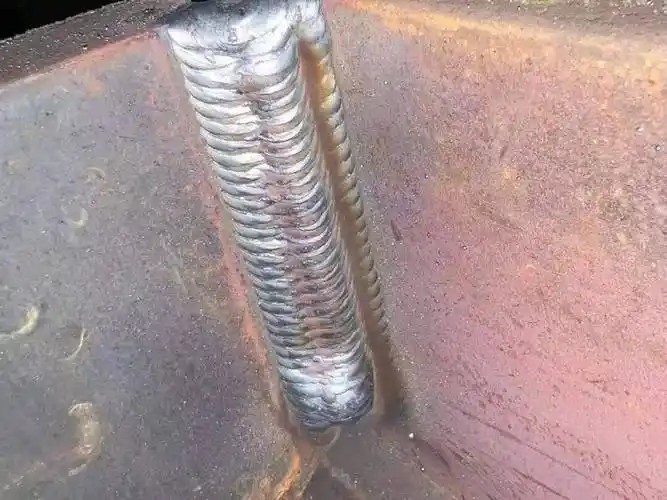
Steel Plate Welding
5.Control Heat Input Carefully
A common misconception is that higher power automatically results in better penetration. In reality, excessive heat input can create several problems.
Too much heat may cause:
- Coarse grain growth
- Welding distortion
- Hot cracking
On the other hand, insufficient heat input can lead to:
- Lack of fusion
- Incomplete penetration
Achieving optimal steel welding results requires balancing welding current, voltage, and travel speed according to the material thickness and application requirements.
6.Do Not Ignore Post-Weld Heat Treatment
For thick steel plates, high-strength steel components, and heavily loaded structures, post-weld heat treatment (PWHT) is often essential.
Proper heat treatment can:
- Relieve residual stress
- Reduce hardness
- Improve toughness
- Prevent delayed cracking
Stress-relief tempering is commonly performed at temperatures between 600°C and 650°C.
7.Considerations for Laser Steel Welding
With the rapid development of laser technology, more manufacturers are using laser welding for steel fabrication.
Compared with traditional arc welding, laser welding offers several advantages:
- Faster welding speeds
- Lower distortion
- Cleaner weld appearance
- Higher automation levels
These benefits make laser welding particularly suitable for thin sheet metal, precision components, and automated production lines.
However, when welding medium and high carbon steels, the extremely fast cooling rate associated with laser welding can increase the risk of cracking and microstructural hardening. Residual stress may also become a concern.
For these materials, preheating and post-weld heat treatment may still be necessary to achieve optimal results. Sample testing is strongly recommended before production, especially when welding higher-carbon steels with laser equipment. Testing allows manufacturers to verify weld quality, evaluate crack resistance, and determine the most suitable welding parameters.
Conclusion
Although carbon steel is one of the most commonly welded materials in the manufacturing industry, not all carbon steels offer the same level of weldability. As carbon content increases, the risks of cracking, hardening, and distortion become more significant.
By selecting the appropriate welding method, controlling heat input, applying proper preheating procedures, and performing post-weld heat treatment when necessary, manufacturers can greatly improve weld quality and long-term reliability.
Whether using traditional arc welding or advanced laser welding systems, successful steel welding depends more on proper process control than simply increasing power levels.
ZS Laser provides complete welding solutions, including laser welding machines, process testing, and technical support services. Our team helps customers achieve more stable, efficient, and reliable steel welding results for a wide range of industrial applications.

WhatsApp
Scan the QR Code to start a WhatsApp chat with us.