 ZS Laser Equipment

1. Introduction
The term “welding iron” is commonly used in online searches, but it is not a precise technical term in welding engineering. In practice, it may refer to different concepts depending on context, including welding tools, general welding equipment, or welding processes involving iron-based materials.
In industrial applications, “welding iron” is most often associated with cast iron welding, which is a well-known but challenging welding process in metal fabrication.
Understanding both meanings is essential for selecting the correct welding method and equipment.
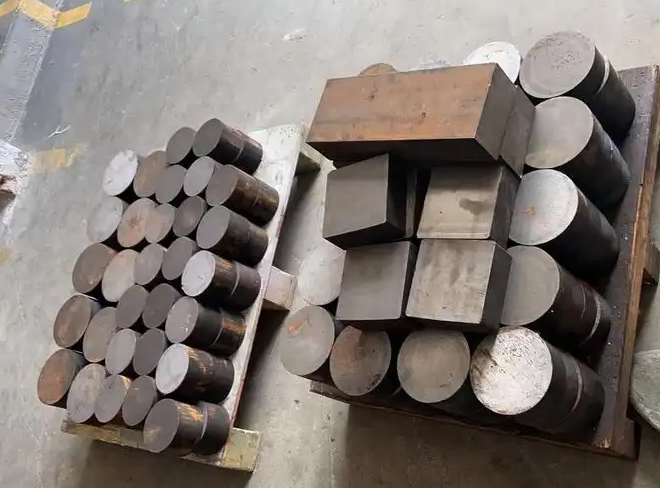
Cast Iron
2. Two Meanings of “Welding Iron”
2.1 Welding Iron as a Tool or Equipment
In many cases, users searching for “welding iron” are referring to welding tools or devices.
(1) Soldering Iron
A soldering iron is a low-temperature tool widely used in electronics.
- Operating temperature: 200–450°C
- Used with solder (tin-based alloy)
- Does not melt the base metal
- Common in PCB assembly and electronics repair
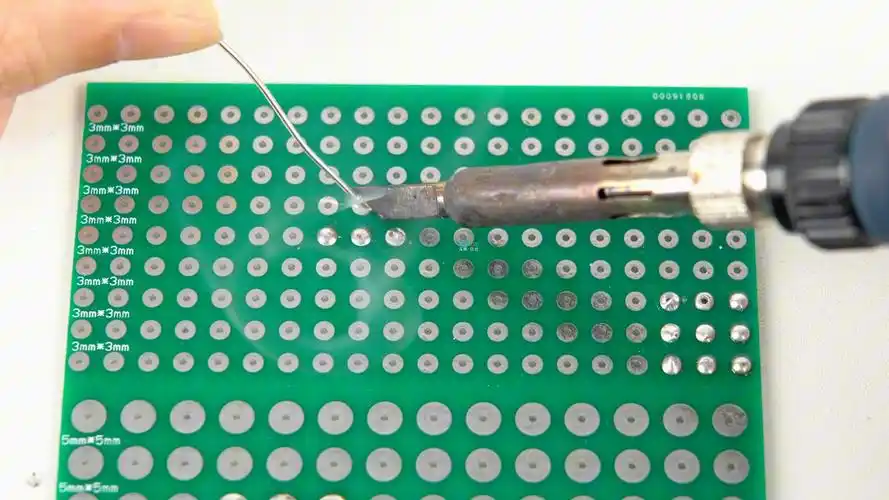
Soldering Iron Welding
(2) General Welding Equipment (Informal Usage)
Some users may also refer to welding machines as “welding iron,” including:
- MIG welders
- TIG welders
- Stick (SMAW) welders
However, in professional terminology, the correct terms are welding machine or welder, not welding iron.
2.2 Welding Iron as Cast Iron Welding (Industrial Meaning)
In the welding industry, “iron” is often associated with cast iron materials, especially in repair and maintenance applications.
Cast iron is an iron-carbon alloy containing approximately 2%–4% carbon, along with silicon, which gives it excellent castability but poor weldability compared to steel.
Typical applications of cast iron include:
- Engine blocks
- Machine frames and bases
- Pipes and fittings
- Heavy industrial components
Cast iron welding is widely used in repair operations rather than new fabrication.
3. Why Cast Iron Is Difficult to Weld
Cast iron is known as a difficult-to-weld material due to its metallurgical structure and high carbon content.
3.1 High Carbon Content and Brittleness
Cast iron contains a high percentage of carbon, which makes it hard and brittle. During welding, this can lead to cracking in both the weld metal and heat-affected zone (HAZ).
3.2 Thermal Stress and Rapid Cooling
According to welding engineering studies, the heating and cooling cycle during welding creates significant expansion and contraction stresses in cast iron. Because of its brittle nature, these stresses often result in cracking during cooling .
Rapid cooling may also lead to the formation of hard and brittle microstructures such as martensite in the heat-affected zone, increasing the risk of weld failure .
3.3 Presence of Graphite Structure
In grey cast iron, graphite flakes interrupt the metal matrix. These flakes act as stress concentrators and reduce ductility, making crack propagation easier during welding .
4. Common Methods for Welding Cast Iron
Although cast iron is difficult to weld, it is not impossible. Several industrial methods are widely used.
4.1 Preheating Welding Method
Preheating the casting before welding is one of the most important steps.
- Typically 200°C to 600°C depending on part size
- Reduces thermal gradient
- Minimizes cracking risk during cooling
Preheating helps reduce internal stress and slows down cooling, improving weld quality.
4.2 Cold Welding (Low Heat Input Welding)
Cold welding refers to welding with minimal or no preheating.
Key characteristics:
- Small weld beads
- Low heat input
- Nickel-based filler materials commonly used
This method is widely used for repairing cast iron components where full preheating is not practical.
4.3 Brazing and Repair Welding
Brazing is another common method for cast iron repair.
- Lower temperature than fusion welding
- Base metal is not fully melted
- Reduces cracking risk
- Suitable for non-structural repairs
4.4 Controlled Welding Techniques
Industrial experience shows that successful cast iron welding often relies on process control, including:
- Using nickel or nickel-based filler metals
- Applying short weld passes
- Peening between passes to relieve stress
- Slow cooling after welding
These methods help reduce shrinkage stress and prevent crack formation.
5. Recommended Welding Processes for Cast Iron
Different welding processes can be used depending on application:
- Shielded Metal Arc Welding (Stick Welding)
- MIG welding cast iron(limited applications)
- Oxy-acetylene welding
- Brazing
- Powder welding / repair welding
Among these, stick welding with nickel electrodes is one of the most widely used industrial methods due to its flexibility and strong arc characteristics.
6. Modern Perspective: Why Welding Iron Is Being Replaced
While traditional cast iron welding is still widely used in repair industries, modern manufacturing is increasingly adopting advanced solutions such as:
- Fiber laser welding systems
- Automated robotic welding
- Precision CNC welding platforms
Compared with traditional welding methods, laser welding offers:
- Lower heat input
- Reduced deformation
- Higher precision
- Better repeatability
These advantages make it suitable for modern industrial production environments.
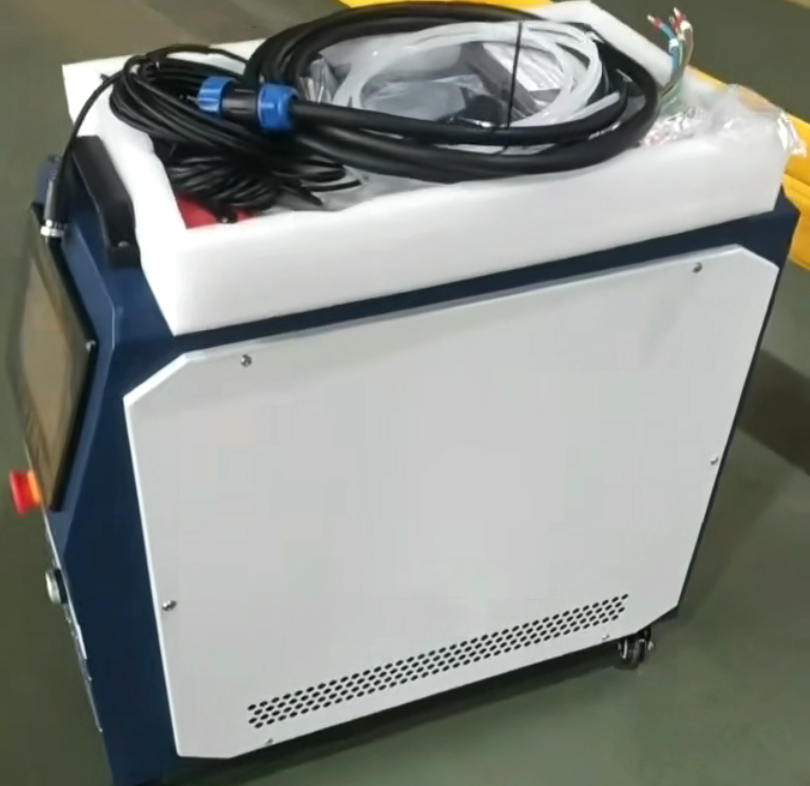
Portable Laser Welding Machine
7. Conclusion
The term “welding iron” does not represent a single standardized industrial process or tool. It may refer to welding equipment in general or, more commonly in engineering contexts, to cast iron welding and repair processes.
Cast iron welding remains a technically challenging operation due to its high carbon content, brittleness, and sensitivity to thermal stress. However, with proper preheating, filler selection, and controlled welding procedures, reliable repair results can be achieved.

WhatsApp
Scan the QR Code to start a WhatsApp chat with us.