 ZS Laser Equipment

Welding plate plays a critical role in modern metal fabrication industries. From stainless steel kitchen equipment and automotive parts to aluminum battery trays and heavy machinery structures, welding metal plates is one of the most common manufacturing processes worldwide.
Traditional welding technologies such as TIG welding, MIG welding, and arc welding have been widely used for decades. However, as manufacturing standards continue to increase, more companies are looking for welding solutions with higher precision, lower deformation, faster production speed, and better weld appearance.This is why laser welding plate technology has become increasingly popular in recent years.
Compared with traditional welding methods, laser welding offers significant advantages in thin plate welding, stainless steel welding, aluminum welding, and automated manufacturing applications. It can greatly improve production efficiency while reducing post-processing costs and welding defects.
In this article, we will discuss:
- What welding plate means
- Common plate welding methods
- Why laser welding is better for plate welding
- Applications of laser welding plates
- Handheld vs automatic laser welding systems
- Factors affecting plate welding quality
- How to choose the right laser welding machine
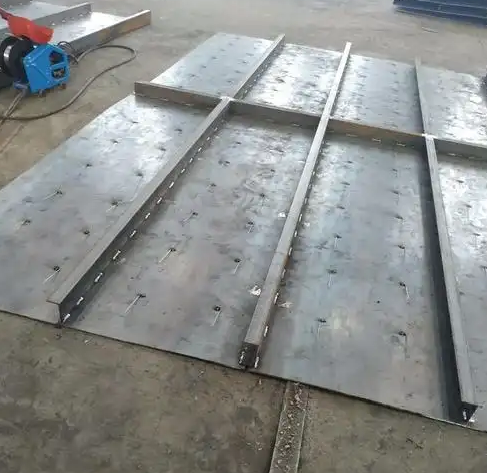
Welding Plate Finish Workpiece
What Is Welding Plate?
“Welding plate” generally refers to the process of joining two or more metal plates together using heat and filler materials or fusion technologies.
It is widely used in industries such as:
- Sheet metal fabrication
- Automotive manufacturing
- Aerospace
- Machinery manufacturing
- Kitchen equipment production
- Electrical cabinet fabrication
- Metal furniture manufacturing
- Battery and energy industries
The most common materials used in plate welding include:
- Stainless steel plates
- Carbon steel plates
- Aluminum plates
- Galvanized steel sheets
- Copper and brass plates
Different plate thicknesses and materials require different welding technologies. Thin stainless steel sheets may require high precision and low heat input, while thick carbon steel plates often demand deep penetration and strong weld strength.
Today, laser welding has become one of the most advanced solutions for modern plate welding applications.
Common Methods for Welding Plates
Before understanding the advantages of laser welding, it is important to know the traditional methods commonly used in plate welding.
1.TIG Welding for Plates
TIG welding (Tungsten Inert Gas Welding) is known for its excellent welding quality and precision.
In TIG welding, a non-consumable tungsten electrode generates the arc while inert gas protects the weld area from contamination.
Advantages of TIG welding:
- High weld quality
- Clean weld appearance
- Precise control
- Suitable for thin materials
Disadvantages:
- Slow welding speed
- Requires skilled operators
- Lower production efficiency
- Higher labor cost
TIG welding is often used for stainless steel plates, thin aluminum sheets, and applications requiring excellent weld appearance.
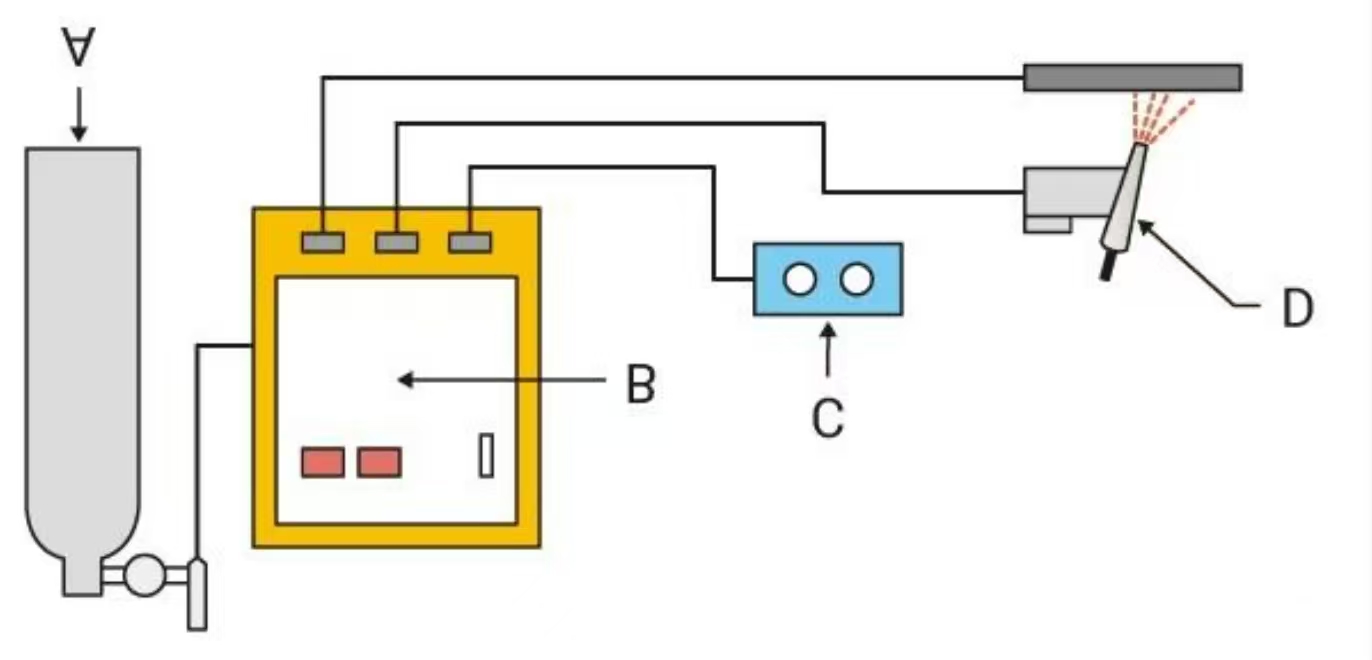
Schematic diagram of semi-automatic TIG welding equipment
2.MIG Welding for Plates
MIG welding (Metal Inert Gas Welding) uses a continuously fed wire electrode and shielding gas during welding.
Compared with TIG welding, MIG welding is faster and easier to operate.
Advantages:
- Higher welding speed
- Easier operation
- Suitable for medium and thick plates
- Good productivity
Disadvantages:
- More spatter
- Larger heat affected zone
- More deformation
- Post-polishing may be required
MIG welding is commonly used in automotive manufacturing, steel fabrication, and aluminum welding applications.
3.Arc Welding for Plates
Traditional arc welding is still widely used because of its low equipment cost and strong adaptability.
Advantages:
- Low investment cost
- Suitable for outdoor operation
- Good for thick steel plates
Disadvantages:
- Rough weld seams
- Large heat deformation
- Lower welding precision
- Significant post-processing work
Although arc welding remains important in heavy industries, many manufacturers are gradually replacing it with laser welding for higher efficiency and precision.
Why Laser Welding Is Better for Plate Welding
Laser welding technology has rapidly developed in recent years. Fiber laser welding machines are now widely used for both thin and thick plate welding applications.Compared with traditional welding methods, laser welding offers several major advantages.
1.Lower Heat Input and Reduced Deformation
One of the biggest advantages of laser welding is its highly concentrated energy.
The laser beam focuses energy into a very small spot, which greatly reduces the heat affected zone (HAZ).
This results in:
- Lower thermal deformation
- Reduced burn-through
- Smaller welding stress
- Better dimensional accuracy
This advantage is especially important for:
- Thin stainless steel plates
- Aluminum sheets
- Precision metal fabrication
- Decorative metal products
Traditional welding methods often generate excessive heat, causing plate warping and distortion. Laser welding minimizes these problems significantly.
2.Faster Welding Speed
Laser welding is much faster than TIG welding and many conventional welding methods.
In many applications, laser welding speed can be:
- 2–10 times faster than TIG welding
- Significantly faster than manual arc welding
Higher speed means:
- Increased production efficiency
- Lower labor costs
- Faster delivery times
- Better productivity
This makes laser welding highly suitable for industrial mass production.
3.Better Weld Appearance
Laser welding produces:
- Smooth weld seams
- Narrow weld width
- Minimal spatter
- Clean welding surfaces
In many cases, no additional grinding or polishing is required after welding.
This is especially important for industries such as:
- Stainless steel decorative products
- Furniture manufacturing
- Kitchen equipment
- Elevator panels
- Medical equipment
High-quality weld appearance directly improves product value and reduces post-processing costs.
4.Higher Precision
Laser welding offers extremely precise energy control.
It can accurately weld:
- Thin metal sheets
- Small components
- Precision joints
- Complex structures
This makes laser welding ideal for:
- Electronics
- Precision instruments
- Battery manufacturing
- Aerospace components
Traditional welding methods often struggle to achieve the same level of precision.
5.Easier Automation Integration
Modern manufacturing increasingly depends on automation.
Laser welding systems can easily integrate with:
- Industrial robots
- CNC systems
- Automatic conveyors
- Vision positioning systems
- Smart manufacturing lines
Automatic laser welding systems help manufacturers achieve:
- Stable welding quality
- High repeatability
- Reduced labor dependence
- 24-hour continuous production
This is one of the key reasons why laser welding has become popular in Industry 4.0 manufacturing environments.You can refer to the differences between TIG, MIG, and laser welding to learn more about the differences between the three.
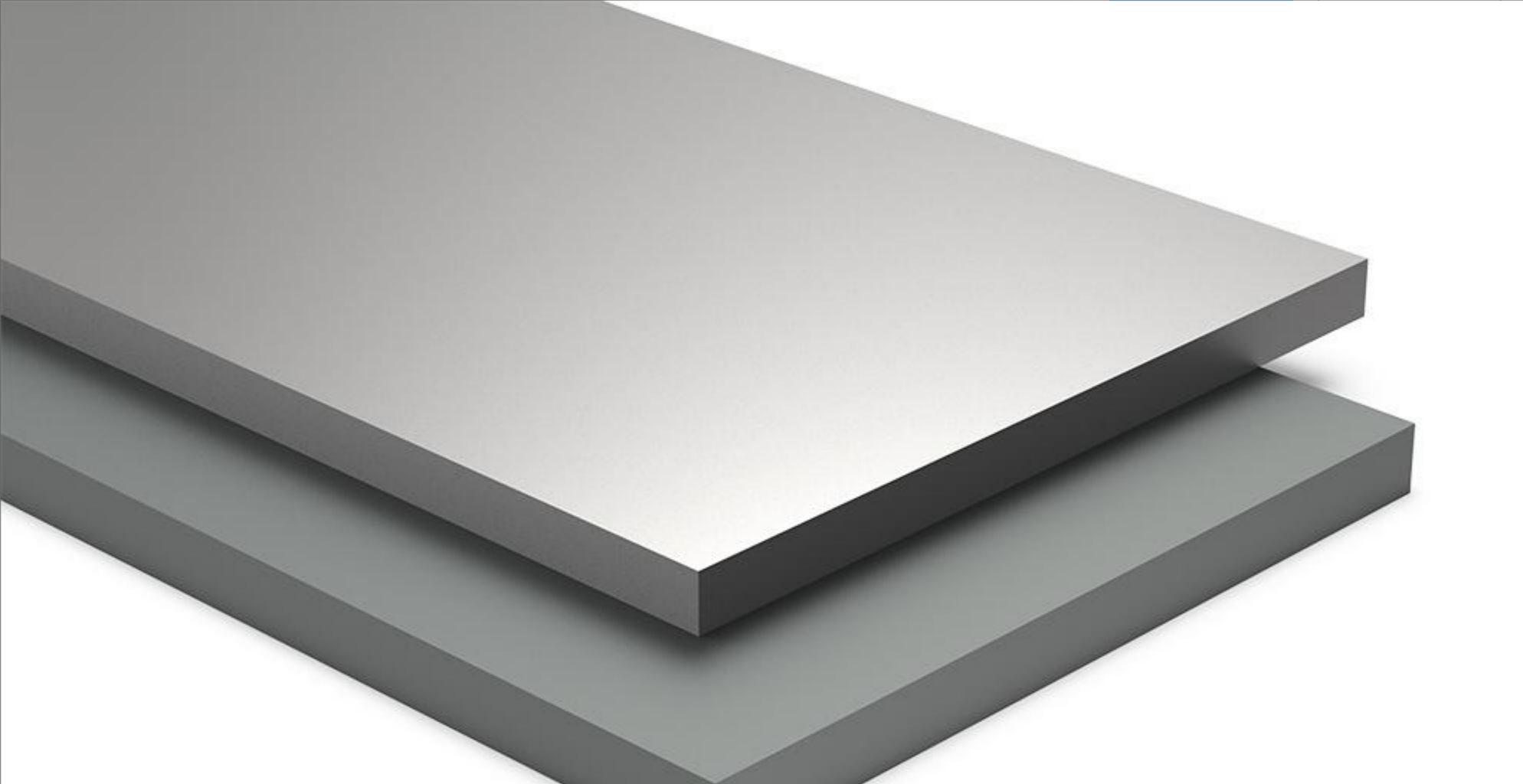
Austenitic stainless steel sheet
Applications of Laser Welding Plate
Laser welding technology is now widely used across many industries.
1.Stainless Steel Plate Welding
Stainless steel is one of the most common materials for laser welding.
Applications include:
- Kitchen equipment
- Stainless steel cabinets
- Elevator panels
- Decorative metal products
- Food processing equipment
Laser welding provides smooth weld seams and excellent surface finish for stainless steel plates.
2.Aluminum Plate Welding
Aluminum welding is traditionally difficult because aluminum has:
- High reflectivity
- High thermal conductivity
- Easy deformation tendency
Laser welding helps improve aluminum welding quality due to its concentrated heat input and precise control.
Applications include:
- EV battery trays
- Automotive components
- Aerospace parts
- Aluminum enclosures
Advanced laser welding systems can also use wobble welding technology to improve aluminum weld stability.
3.Carbon Steel Plate Welding
Laser welding is also widely used for carbon steel plates in industrial manufacturing.
Applications include:
- Machinery frames
- Steel structures
- Equipment housings
- Metal fabrication
Laser welding can achieve both high speed and strong weld penetration for carbon steel materials.
4.Galvanized Sheet Welding
Galvanized steel sheets are widely used in automotive manufacturing, household appliances, and metal enclosures due to their corrosion resistance and cost efficiency.
However, galvanized materials present unique challenges in welding applications. Traditional welding methods often lead to zinc layer burning, excessive spatter, and surface defects, which negatively affect both appearance and corrosion resistance.
In laser welding applications, galvanized sheet welding can still generate zinc vapor during the process, which increases the risk of spatter formation. In severe cases, spatter may even contaminate or damage protective optical components such as laser lenses, affecting welding stability and equipment lifespan.
Therefore, when welding galvanized steel with laser systems, it is essential to properly optimize process parameters, especially shielding gas settings. Increasing the shielding gas flow rate appropriately can help improve plume suppression, reduce spatter adhesion, and protect the optical path. At the same time, strict control of laser power, focus position, and welding speed is required to ensure stable energy input and consistent weld quality.
With proper parameter control, laser welding can significantly reduce:
- Zinc layer burning
- Excessive spatter generation
- Thermal deformation
- Surface oxidation and damage
As a result, it greatly improves weld appearance, structural consistency, and overall product quality, making it a highly effective solution for galvanized sheet metal welding in modern manufacturing.
5.Thin Sheet Metal Welding
Thin sheet welding is one of the strongest advantages of laser welding.
Laser welding performs especially well on:
- 0.5mm stainless steel
- Thin aluminum sheets
- Precision sheet metal
- Electronic enclosures
Because of the low heat input, thin sheets can be welded with minimal deformation and excellent appearance.
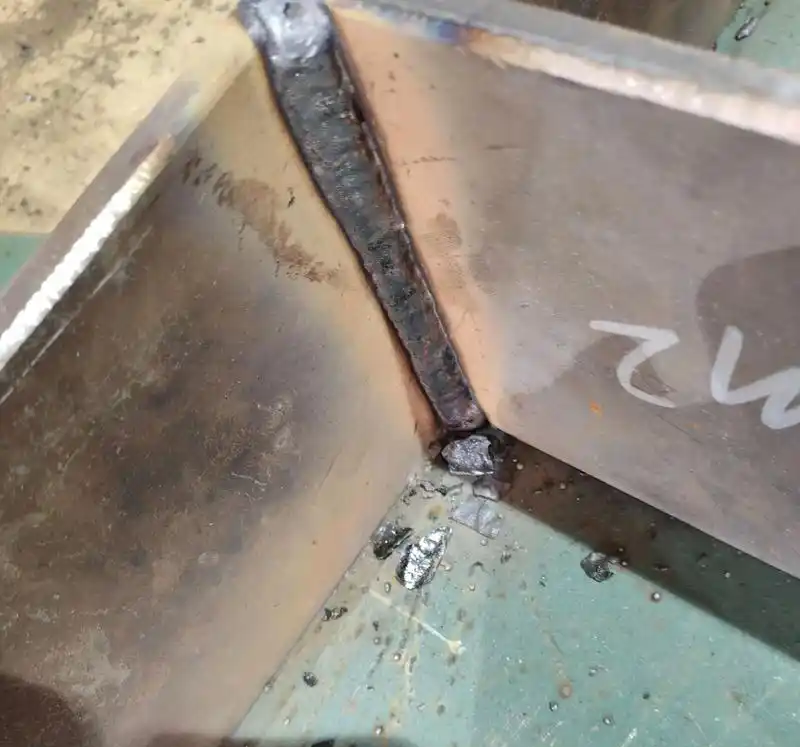
fillet weld
Handheld Laser Welding vs Automatic Laser Welding
Laser plate welding systems can generally be divided into two main categories.
Handheld Laser Welding Machines
Handheld laser welders are flexible and easy to operate.
Advantages include:
- Simple operation
- Flexible movement
- Lower investment cost
- Suitable for small workshops
- Easy replacement of TIG welding
Applications:
- Stainless steel fabrication
- Door and window welding
- Advertising signs
- Metal furniture
- Repair welding
Many manufacturers now replace TIG welding with handheld laser welding because operators can learn laser welding much faster.
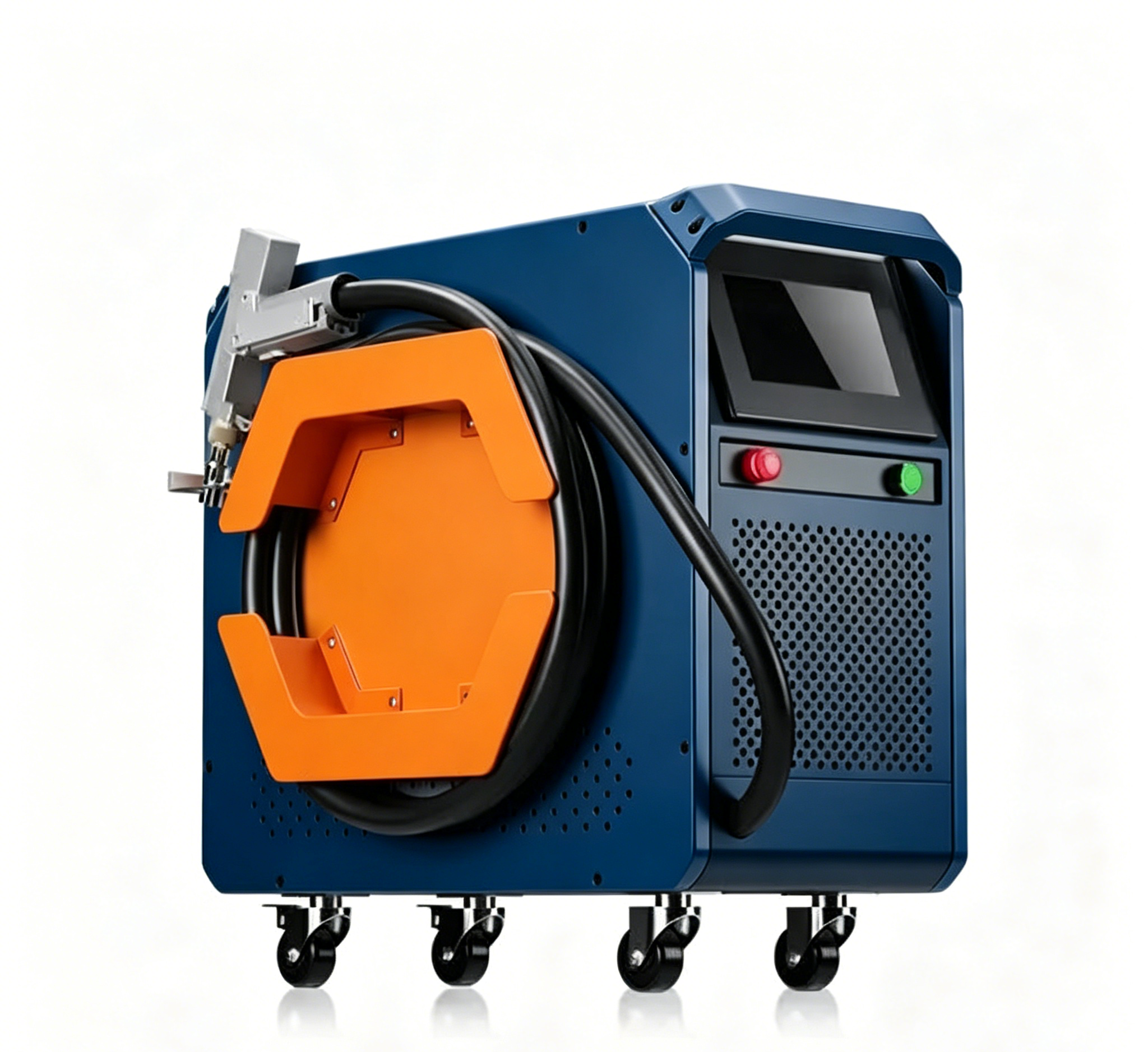
Portable Laser Welding Machine
Automatic Laser Welding Machines
Automatic laser welding systems are designed for industrial mass production.
They often include:
- CNC platforms
- Robotic arms
- Automatic fixtures
- Vision systems
Advantages:
- High production efficiency
- Stable quality
- Continuous operation
- Reduced labor costs
- Better consistency
Applications include:
- Automotive production
- Battery manufacturing
- Industrial automation
- Large-scale sheet metal production
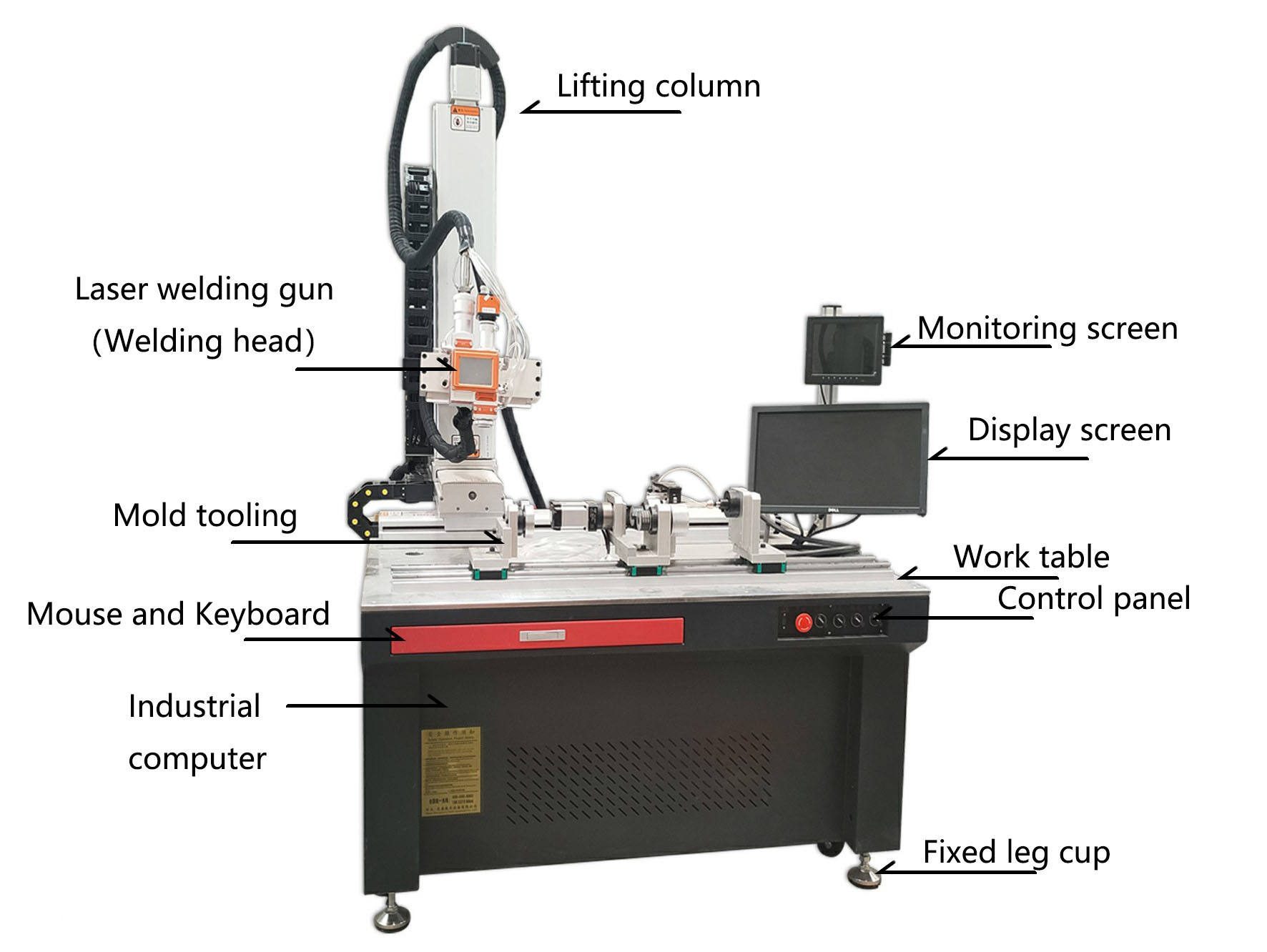
CNC Laser Welder
Key Factors Affecting Plate Welding Quality
Even with advanced laser welding systems, welding quality still depends on several important factors.
1.Material Type
Different materials have different welding characteristics.
For example:
- Aluminum reflects laser energy strongly
- Copper has high thermal conductivity
- Stainless steel is easier to weld
Proper parameter adjustment is essential for different materials.
2.Plate Thickness
Thin and thick plates require different laser configurations.
Thin plates require:
- Lower heat input
- Higher precision
- Faster speed
Thick plates require:
- Higher power
- Deeper penetration
- More stable energy output
3.Laser Power
Laser power directly affects:
- Welding penetration
- Welding speed
- Heat input
Insufficient power may cause incomplete fusion, while excessive power may lead to burn-through and deformation.
4.Welding Speed
Proper welding speed is critical.
Too fast:
- Incomplete penetration
- Weak welds
Too slow:
- Excessive heat
- Deformation
- Larger heat affected zone
Optimized speed improves weld quality and efficiency.
5.Shielding Gas
Shielding gas protects the weld area from oxidation and contamination.
Common gases include:
- Argon
- Nitrogen
- Mixed gases
Different gases affect weld appearance and penetration differently.
6.Joint Design
Joint structure greatly affects welding quality.
Common joint types include:
- Butt joints
- Lap joints
- Corner joints
- Fillet joints
Proper gap control and fixture alignment are essential for successful laser welding.
How to Choose the Right Laser Welding Machine for Plates
Choosing the right laser welding machine depends on several factors.
1.Material Type
Different materials may require different laser configurations and welding heads.
For example:
- Aluminum welding may require wobble welding heads
- Copper welding may require higher brightness lasers
2.Plate Thickness Range
The thickness range determines required laser power.
Typical recommendations:
- Thin sheet welding: 1000W–1500W
- Medium plate welding: 2000W–3000W
- Thick plate welding: 4000W and above
3.Production Volume
For small workshops, handheld laser welders may be sufficient.
For mass production:
- Robotic welding systems
- Automatic laser welding lines
- CNC platform welding machines
may be better choices.
4.Budget and Automation Requirements
Manufacturers should also consider:
- Labor costs
- Production efficiency
- Automation level
- Future expansion plans
Laser welding equipment is a long-term investment that can significantly improve production capability.
Future Trends of Laser Plate Welding
Laser welding technology continues to evolve rapidly.
Future trends include:
- AI-assisted welding control
- Smart welding monitoring
- Fully automatic robotic welding
- High-power fiber lasers
- Vision-guided welding systems
As manufacturing standards continue to improve, laser welding will play an increasingly important role in plate welding applications.
Conclusion
Plate welding is one of the most important processes in modern manufacturing industries. Compared with traditional TIG, MIG, and arc welding methods, laser welding provides major advantages in welding speed, precision, deformation control, automation compatibility, and weld appearance.
Whether for stainless steel plates, aluminum sheets, carbon steel structures, or precision thin metal fabrication, laser welding has become one of the most efficient and advanced welding solutions available today.
With the continuous development of fiber laser technology and industrial automation, laser welding is gradually replacing traditional welding methods in more and more plate welding applications.
ZS Laser provides professional laser welding solutions for various plate welding applications, including handheld laser welding machines, automatic welding systems, robotic welding solutions, and customized industrial laser equipment. If you are looking for an efficient solution for metal plate welding, our team can help you choose the most suitable laser welding system for your production requirements.

WhatsApp
Scan the QR Code to start a WhatsApp chat with us.