 ZS Laser Equipment

Introduction
As laser welding technology becomes increasingly popular in metal fabrication, automotive manufacturing, aerospace, and industrial production, more companies are searching for the right laser welding tools to improve efficiency and weld quality.
When people hear the term “laser welding tool,” they often think only of the laser welding machine itself. However, a complete laser welding setup includes much more than the laser source. From welding torches and wire feeders to safety glasses and protective gloves, every tool plays an important role in achieving safe and high-quality welding results.
In this guide, we will explore the most important laser welding tools, accessories, and safety equipment used in modern laser welding operations.
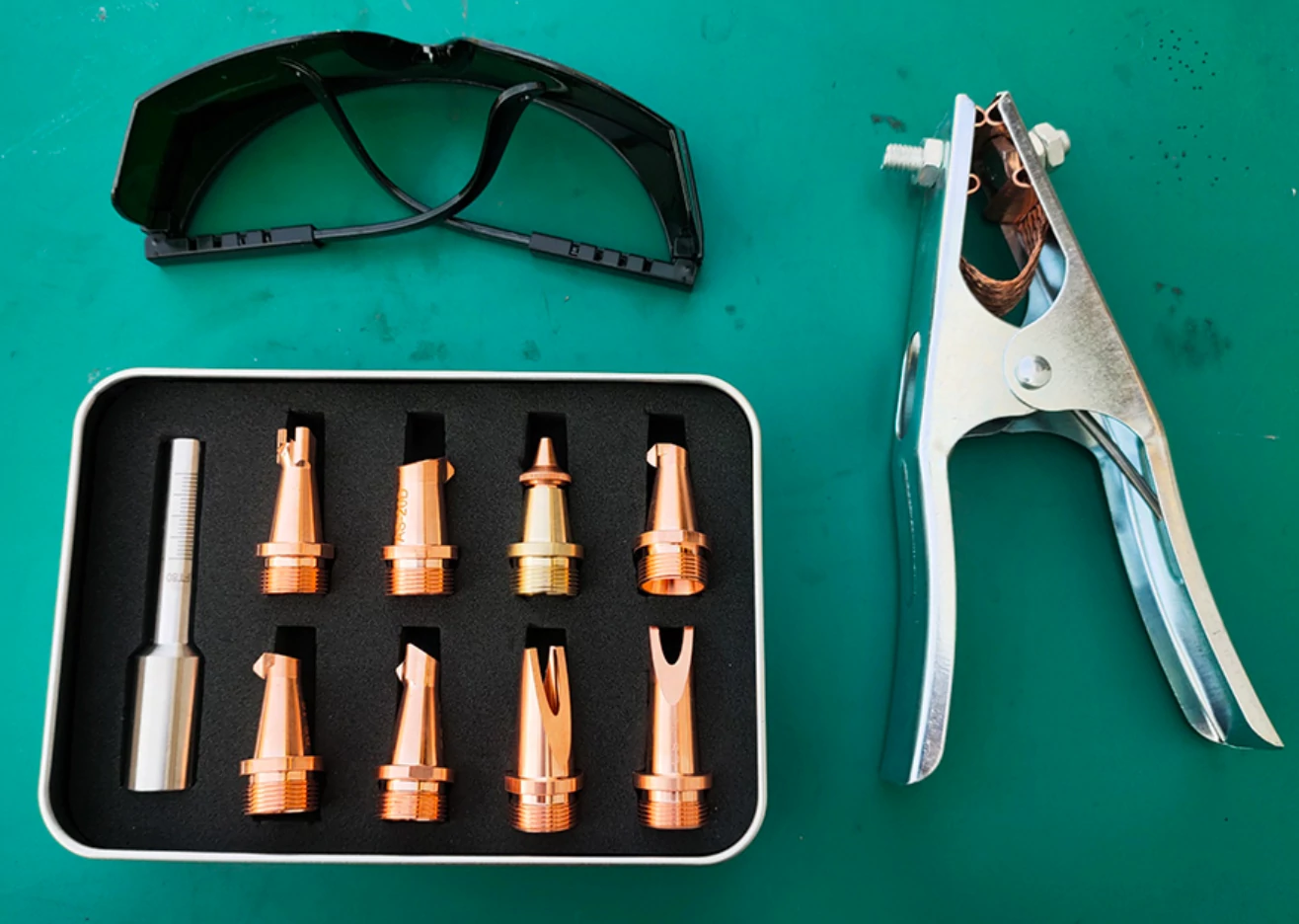
Laser welding tools
What Is a Laser Welding Tool?
A laser welding tool refers to any equipment, accessory, or safety device used during the laser welding process.
These tools can generally be divided into four categories:
- Laser welding equipment
- Welding accessories
- Safety protection equipment
- Auxiliary production tools
Together, they create a complete laser welding workstation capable of delivering efficient and reliable welding performance.
Category 1: Core Laser Welding Equipment
Fiber Laser Welding Machine
The most important laser welding tool is the fiber laser welding machine itself.
Modern fiber laser welders typically include:
- Laser source
- Control system
- Cooling system
- Laser welding torch
- Wire feeder
Common power options include:
- 1000W
- 1500W
- 2000W
- 3000W
Fiber laser welding machines are widely used for:
- Stainless steel welding
- Carbon steel welding
- Aluminum welding
- Galvanized sheet welding
Laser Welding Torch
The welding torch delivers laser energy to the workpiece.
Modern laser welding torches may include:
- Single wobble heads
- Double wobble heads
- Wire-feeding welding heads
- Air-cooled torches
- Water-cooled torches
The welding torch directly affects weld appearance, penetration, and overall welding performance.
Wire Feeding System
Many laser welding applications require filler wire.
A wire feeder helps:
- Bridge larger gaps
- Improve weld strength
- Increase process stability
Common wire materials include:
- Stainless steel wire
- Carbon steel wire
- Aluminum wire
Single-wire and dual-wire feeding systems are both commonly used.
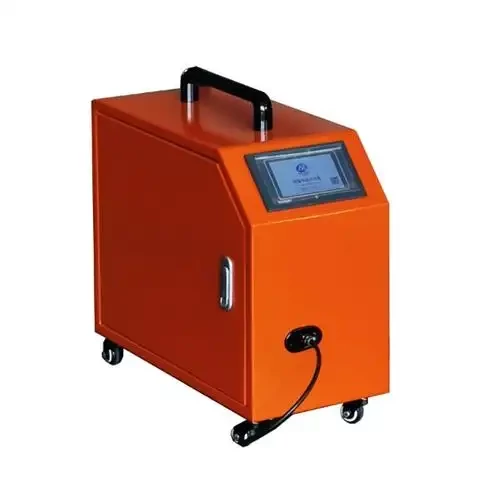
Laser welding machine wire feeder
Category 2: Personal Protective Equipment (PPE)
Laser welding produces intense light, heat, metal fumes, and molten particles. Proper personal protection is essential.
Laser Safety Glasses
Laser safety glasses are among the most important laser welding tools.
Unlike ordinary welding helmets, laser welding goggles are designed to filter specific laser wavelengths.
They help protect operators from:
- Direct laser exposure
- Reflected laser radiation
- Eye injuries
Choosing safety glasses that match the laser wavelength is critical.
Heat-Resistant Welding Gloves
Laser welding gloves protect the operator from:
- Hot metal
- Spatter
- Sharp edges
Quality welding gloves should provide:
- Heat resistance
- Cut resistance
- Comfortable grip
Leather welding gloves remain the most common choice.
Protective Clothing
Operators should wear:
- Flame-resistant jackets
- Long-sleeve workwear
- Protective aprons
Proper clothing reduces the risk of burns caused by hot workpieces and flying sparks.
Safety Shoes
Steel-toe safety shoes protect against:
- Falling metal parts
- Heavy workpieces
- Sharp materials
They are essential in industrial welding environments.
Category 3: Shielding Gas Equipment
Shielding gas is critical for achieving high-quality welds.
Without proper gas protection, oxidation and porosity may occur.
Gas Cylinders
Most laser welding applications use:
- Nitrogen (N₂)
- Argon (Ar)
These gases protect the molten pool from atmospheric contamination.
Gas Regulator
A gas regulator controls:
- Gas pressure
- Gas flow rate
Stable gas flow is essential for consistent weld quality.
Gas Hoses and Connectors
Reliable hoses and fittings ensure uninterrupted gas supply throughout the welding process.
Poor-quality connections can cause leaks and unstable shielding performance.
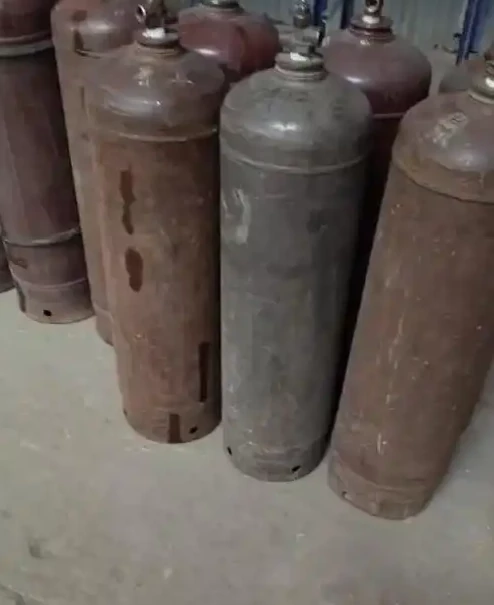
Laser welding shielding gas cylinders
Category 4: Workpiece Positioning Tools
Accurate positioning is often overlooked but significantly affects weld quality.
Welding Fixtures
Fixtures hold workpieces securely during welding.
Benefits include:
- Improved accuracy
- Better repeatability
- Reduced distortion
Fixtures are especially important for automated production.
Clamps
Common welding clamps help:
- Align parts
- Maintain gaps
- Prevent movement during welding
Proper clamping can dramatically improve weld consistency.
Rotary Devices
Rotary fixtures are frequently used for:
- Pipes
- Tubes
- Cylindrical components
They allow continuous welding around circular parts.
Category 5: Cleaning and Surface Preparation Tools
Surface preparation is crucial for successful laser welding.
Contaminants can cause:
- Porosity
- Spatter
- Incomplete fusion
Wire Brushes
Used to remove:
- Rust
- Scale
- Oxides
Before welding.
Degreasing Tools
Oil and grease should be removed using:
- Industrial cleaners
- Alcohol-based solvents
Clean surfaces produce stronger welds.
Laser Cleaning Machines
Many manufacturers now use laser cleaning systems before welding.
Laser cleaning can remove:
- Rust
- Paint
- Oxides
- Contamination
Without damaging the base material.
Category 6: Fume Extraction and Ventilation Equipment
Laser welding generates metal fumes and airborne particles.
Proper ventilation improves workplace safety.
Fume Extractors
Fume extraction systems capture:
- Welding fumes
- Dust particles
- Metal vapors
At the source.
Air Filtration Systems
Large production facilities often install centralized filtration systems to maintain clean air quality.
Category 7: Inspection and Measurement Tools
After welding, quality inspection is essential.
Welding Gauges
Used to measure:
- Weld width
- Reinforcement height
- Joint dimensions
Calipers and Micrometers
Provide accurate dimensional inspection.
Non-Destructive Testing Equipment
Advanced manufacturers may use:
- Ultrasonic testing (UT)
- Dye penetrant testing (PT)
- X-ray inspection (RT)
To verify weld quality.
Building a Complete Laser Welding Workstation
A professional laser welding workstation usually includes:
Fiber laser welding machine
Laser welding torch
Wire feeder
Shielding gas system
Laser safety glasses
Welding gloves
Protective clothing
Welding fixtures
Surface preparation tools
Fume extraction system
Inspection equipment
Every component contributes to safer operation and better welding performance.
Conclusion
Laser welding technology involves much more than simply purchasing a welding machine. A complete set of laser welding tools includes welding equipment, safety gear, shielding gas systems, positioning devices, cleaning tools, and inspection instruments.
By selecting the right tools and accessories, manufacturers can improve weld quality, enhance operator safety, reduce downtime, and maximize production efficiency.
Whether you are operating a handheld laser welder, an automatic welding platform, or a robotic laser welding system, investing in the proper laser welding tools is essential for long-term success.
Need Help Choosing the Right Laser Welding Equipment?
ZS Laser provides professional laser welding solutions, including handheld laser welders, automatic welding systems, robotic welding cells, welding torches, and technical support.
Contact our team today to find the ideal laser welding solution for your application.

WhatsApp
Scan the QR Code to start a WhatsApp chat with us.