 ZS Laser Equipment

Introduction
Welding and fabrication are two of the most important processes in modern manufacturing. From steel structures and automotive components to machinery, pipelines, and custom metal products, welding and fabrication are used in almost every industrial sector.
Although many people use the terms interchangeably, welding and fabrication are not the same thing. Fabrication refers to the complete process of transforming raw metal materials into finished products, while welding is one of the key joining processes used during fabrication.
As manufacturing technology continues to evolve, laser welding has become an increasingly important solution in modern fabrication shops due to its speed, precision, and automation capabilities.
What Is Fabrication?
Metal fabrication is the process of converting raw metal materials into finished structures, assemblies, or components.
A typical fabrication project may involve:
- Cutting
- Bending
- Drilling
- Punching
- Forming
- Machining
- Welding
- Surface finishing
In simple terms, fabrication includes everything required to manufacture a metal product from start to finish.
Examples include:
- Structural steel frames
- Metal cabinets
- Industrial equipment
- Automotive parts
- Stainless steel products
- Agricultural machinery
- Aerospace components
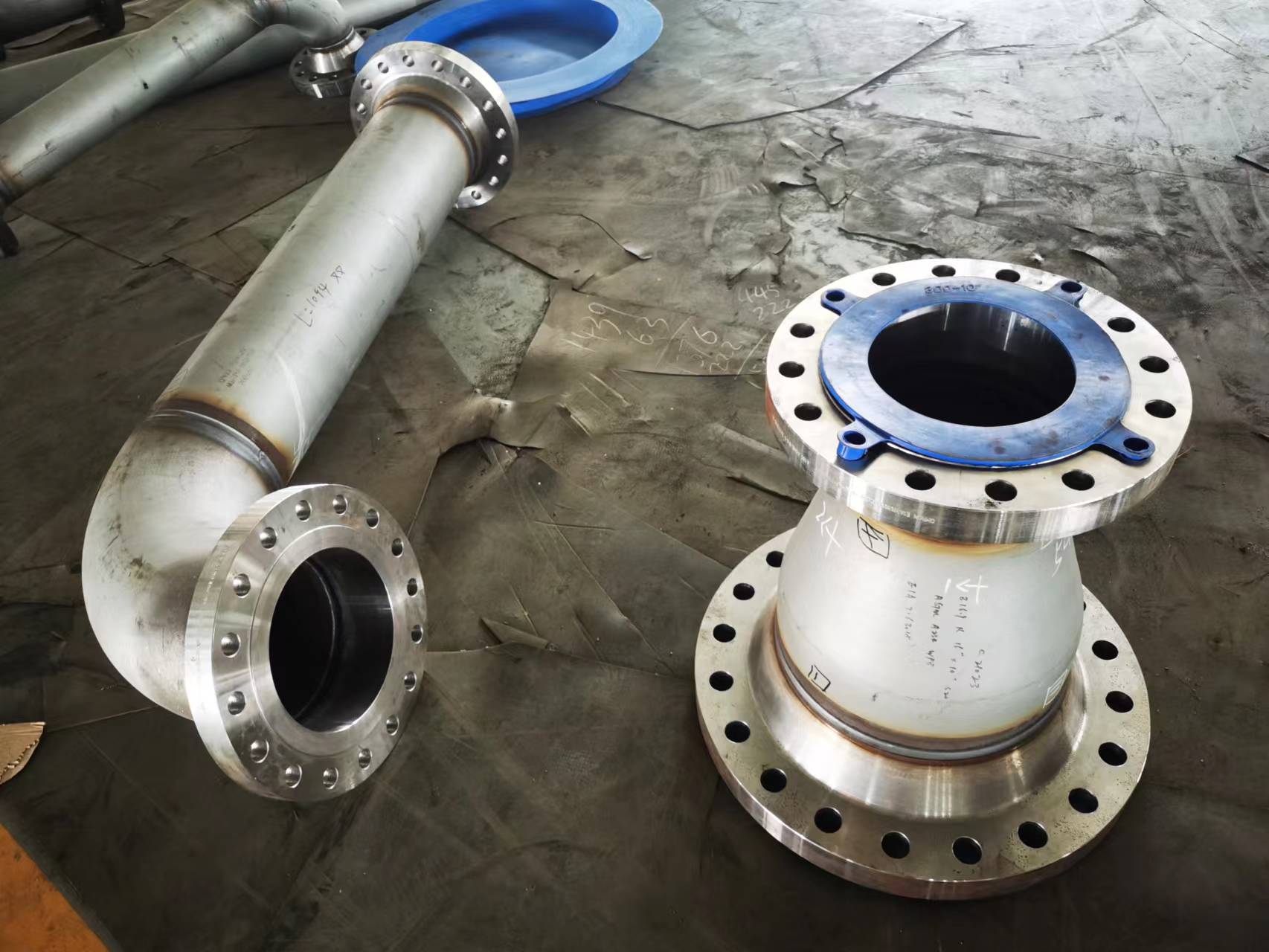
Pipe welding and fabrication
What Is Welding?
Welding is a joining process used during fabrication.
By applying heat, pressure, or both, welding permanently joins two or more metal parts together.
Unlike bolts or rivets, welding creates a metallurgical bond between materials, producing a strong and durable connection.
It is important to understand that a weld does not always need to be fully penetrated to be effective.
Many people believe a weld must always penetrate completely through the material. While full penetration welds generally provide the highest joint strength, they are not necessary for every application.
The required weld penetration depends on:
- Load requirements
- Joint design
- Material thickness
- Industry standards
- Product function
For example:
- Decorative stainless steel products may only require partial penetration.
- Sheet metal enclosures often use fillet welds without full penetration.
- Furniture frames can achieve excellent strength without complete penetration.
- Pressure vessels and critical structural components may require full penetration welding.
The best weld is not always the deepest weld—it is the weld that meets the engineering requirements of the application.
Common Welding Processes Used in Fabrication
MIG Welding
MIG welding uses a continuously fed wire electrode and shielding gas.
Advantages:
- High productivity
- Easy operation
- Suitable for thick materials
- Widely used in fabrication shops
Applications:
- Structural steel
- Automotive parts
- General manufacturing
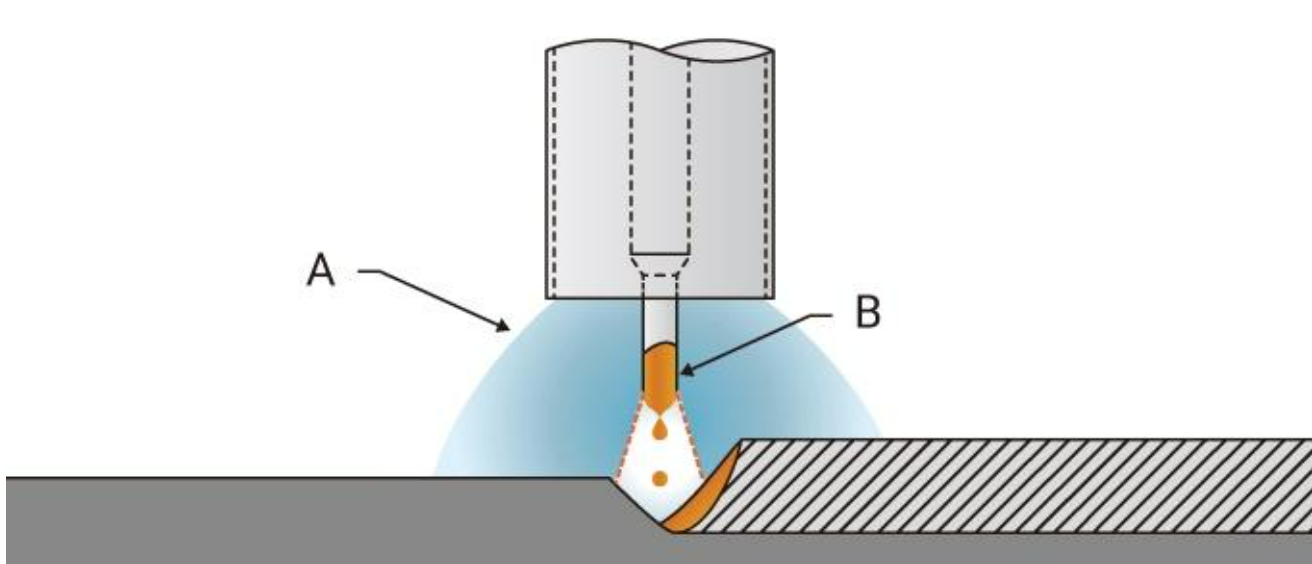
MIG Welding
TIG Welding
TIG welding uses a non-consumable tungsten electrode.
Advantages:
- Excellent weld appearance
- High precision
- Superior control
Applications:
- Stainless steel fabrication
- Aluminum fabrication
- Aerospace components
Stick Welding
Stick welding remains popular for outdoor construction and heavy fabrication.
Advantages:
- Low equipment cost
- Good performance outdoors
- Suitable for thick steel
Applications:
- Construction
- Pipeline fabrication
- Repair work
Laser Welding
Laser welding is one of the fastest-growing technologies in modern fabrication.
Instead of using a traditional arc, laser welding uses a highly concentrated laser beam to melt and join materials.
Advantages include:
- High welding speed
- Minimal heat input
- Small heat affected zone
- Reduced deformation
- Excellent weld appearance
- Easy automation
For manufacturers looking to improve efficiency and consistency, laser welding has become an increasingly attractive alternative to conventional welding methods.
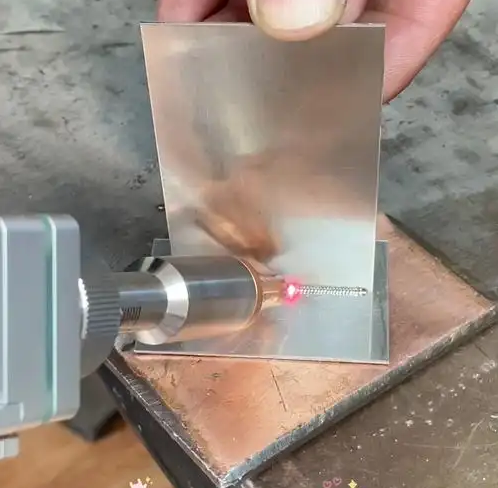
Laser welding metal sheet
Why Laser Welding Is Changing Modern Fabrication
Traditional fabrication shops often face several challenges:
- Labor shortages
- Rising labor costs
- Quality inconsistency
- Production bottlenecks
Laser welding helps solve these problems.
Compared with traditional welding processes, laser welding can:
Increase Productivity
Laser welding can be several times faster than TIG welding in many applications.
Reduce Rework
The focused laser beam creates cleaner welds with less distortion and fewer defects.
Improve Product Appearance
Many stainless steel products require minimal post-processing after laser welding.
Support Automation
Laser welding can be integrated with:
- Robotic arms
- Automated production lines
- Vision positioning systems
This makes it ideal for high-volume fabrication environments.
Welding and Fabrication Applications
Modern welding and fabrication technologies are widely used in:
Construction Industry
- Structural steel fabrication
- Bridges
- Buildings
- Infrastructure projects
Automotive Industry
- Vehicle frames
- Battery enclosures
- Exhaust systems
- Chassis components
Agricultural Equipment
- Tractors
- Harvesters
- Storage systems
Food Processing Equipment
- Stainless steel tanks
- Conveyors
- Hygienic processing systems
Aerospace Industry
- Precision structural components
- Lightweight alloy assemblies
Sheet Metal Fabrication
- Cabinets
- Electrical enclosures
- HVAC systems
- Control boxes
Choosing the Right Welding Process for Fabrication
The best welding method depends on several factors:
| Requirement | Recommended Process |
|---|---|
| Low cost fabrication | MIG Welding |
| High appearance quality | TIG Welding |
| Outdoor heavy fabrication | Stick Welding |
| High-speed production | Laser Welding |
| Thin sheet metal | Laser Welding |
| Automation projects | Laser Welding |
There is no single welding process that is best for every fabrication project.
The ideal solution depends on:
- Material type
- Thickness
- Production volume
- Quality requirements
- Budget
Conclusion
Welding and fabrication work together to transform raw metal into finished industrial products. While fabrication encompasses the entire manufacturing process, welding remains one of its most critical stages.
As manufacturers seek higher productivity, better quality, and greater automation, laser welding is becoming an increasingly important technology in modern fabrication operations. With faster speeds, lower heat input, and improved consistency, laser welding offers significant advantages for many fabrication applications.
If you are looking for a welding solution for sheet metal fabrication, stainless steel products, aluminum components, or automated production lines, ZS Laser can help you select the most suitable laser welding system for your specific manufacturing needs.

WhatsApp
Scan the QR Code to start a WhatsApp chat with us.