 ZS Laser Equipment

Introduction
The welding industry has undergone significant transformation over the past decade. While traditional welding methods such as MIG, TIG, and stick welding remain widely used, fiber laser welding technology has rapidly gained popularity due to its speed, precision, and efficiency.
Today, a fiber laser welder is used across a wide range of industries, including automotive manufacturing, aerospace engineering, sheet metal fabrication, battery production, medical device manufacturing, and jewelry processing. As laser sources become more powerful and affordable, fiber laser welding is increasingly replacing conventional welding methods in many applications.
This guide explains everything you need to know about fiber laser welders, including how they work, their advantages, applications, costs, and how to choose the right machine for your business.
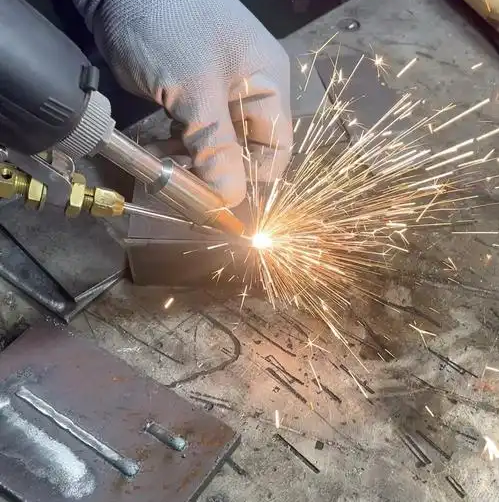
Laser spot welding
What Is a Fiber Laser Welder?
A fiber laser welder is a welding machine that uses a fiber laser source to generate a highly concentrated laser beam for joining metal parts.Unlike conventional welding processes that rely on electric arcs or filler materials, laser welding uses focused light energy to melt and fuse materials together.
The laser beam is transmitted through an optical fiber and focused onto the workpiece through a welding head. Because the energy density is extremely high, the material melts almost instantly, creating strong and precise welds.
Modern fiber laser welders are available in several configurations:
Handheld fiber laser welders
Automatic laser welding systems
Robotic laser welding systems
Jewelry laser welders
Among these, handheld and portable laser welders have become especially popular due to their flexibility and ease of operation.
How Does a Fiber Laser Welder Work?
The welding process begins when the fiber laser source generates a high-energy laser beam.
The beam travels through an optical fiber cable and reaches the laser welding head. A focusing lens concentrates the beam into a very small spot on the workpiece surface.When the laser energy contacts the metal:
1.The metal rapidly absorbs the laser energy.
2.The material melts and forms a molten pool.
3.The molten material solidifies after cooling.
4.A strong metallurgical bond is created.
Depending on the welding parameters, the process can operate in:
Conduction Welding
Heat is transferred through the material without deep penetration.Common for:
Thin sheet metal
Decorative welding
Jewelry welding
Keyhole Welding
The laser creates a vapor cavity called a “keyhole.
“Benefits include:
Deep penetration
High welding speed
Strong weld strength
Common for:
Stainless steel fabrication
Automotive components
Structural metal parts
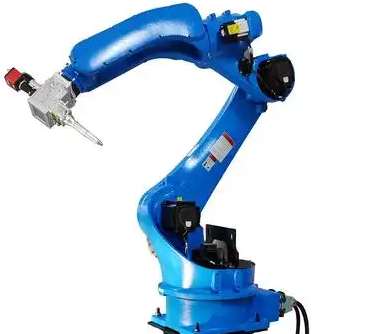
Robotic Laser Welding
Main Components of a Fiber Laser Welder
Understanding the machine’s core components helps users select the right equipment.A typical fiber laser welding machine includes the following components:
1.Fiber Laser Source
The laser source is the heart of the machine.It largely determines the lifespan of the machine; a good fiber laser can have a lifespan of up to 100,000 hours.Popular power ranges for welding use include:
1000W
1500W
2000W
3000W
Currently, brands with a relatively high market share include IPG, Raycus, and MAX. Some emerging second-tier brands, such as BWT and ReCI, are also seeing their market share increase year by year as their technology matures.
2.Laser Welding Head
The welding head focuses and directs the laser beam.Common types include:
Handheld Welding Head
Suitable for:
Sheet metal fabrication
Stainless steel products
Repair work
Oscillating Welding Head
Creates wider weld seams and improves gap tolerance.
Galvo Welding Head
Uses high-speed mirrors to move the laser beam.
Ideal for:
Battery manufacturing
Electronics
Precision welding
If you would like to learn more about welded joints, please refer to the introduction of 6 common welded joints.
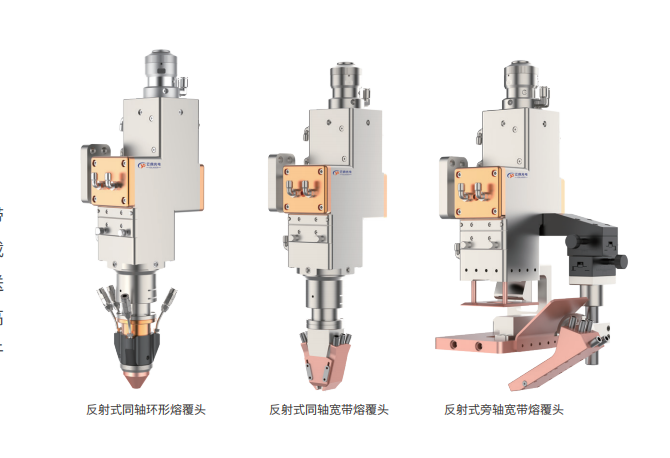
Laser cladding torch
3. Cooling System
Fiber laser welders are typically equipped with either air-cooled or water-cooled systems, depending on the machine design and application requirements.
Air-Cooled Systems
- Lightweight and compact design
- Easy to transport and maintain
- No external water chiller required
- Ideal for portable laser welders and on-site welding tasks
Air-cooled systems are commonly found in handheld fiber laser welders, where portability and convenience are important considerations.
Water-Cooled Systems
- Superior heat dissipation performance
- Stable operation during long production cycles
- Better protection for high-power laser sources
- Suitable for continuous industrial manufacturing
Water-cooled systems are widely used in automated welding platforms, robotic welding cells, and high-power industrial laser welding equipment where consistent performance and extended operating hours are required.
Choosing the Right Cooling Method
For mobile and field applications, an air-cooled portable laser welder offers greater flexibility and easier transportation. For heavy-duty industrial production, water-cooled laser welding machines remain the preferred choice due to their superior thermal management and long-term stability.
4.Control System
The control system manages:
Laser power
Welding speed
Oscillation width
Gas flow
Modern systems often include touchscreen operation for easier setup.
Advantages of Fiber Laser Welding
Extremely High Welding Speed
Fiber laser welding can be several times faster than TIG welding.
This allows manufacturers to increase productivity while reducing labor costs.
Minimal Heat-Affected Zone
The concentrated laser beam introduces less heat into the material.
Benefits include:
- Reduced distortion
- Better dimensional accuracy
- Cleaner weld appearance
High Precision
Laser welding can produce very narrow weld seams.
This is critical for:
- Electronics
- Medical devices
- Precision components
Reduced Post-Processing
Many laser welds require little or no grinding or polishing.
This lowers manufacturing costs.
Easy Operation
Modern handheld laser welders have significantly reduced the learning curve.
Many operators can achieve acceptable results after only a short period of training.
Fiber Laser Welder vs TIG Welding
One of the most common questions is whether laser welding is better than TIG welding.
| Feature | Fiber Laser Welder | TIG Welding |
|---|---|---|
| Welding Speed | Very High | Slow |
| Heat Input | Low | High |
| Distortion | Minimal | Moderate |
| Training Required | Low | High |
| Automation | Excellent | Limited |
| Appearance | Clean | Good |
| Efficiency | High | Moderate |
TIG welding remains suitable for specialized applications, but fiber laser welding offers significant advantages in productivity and ease of use.
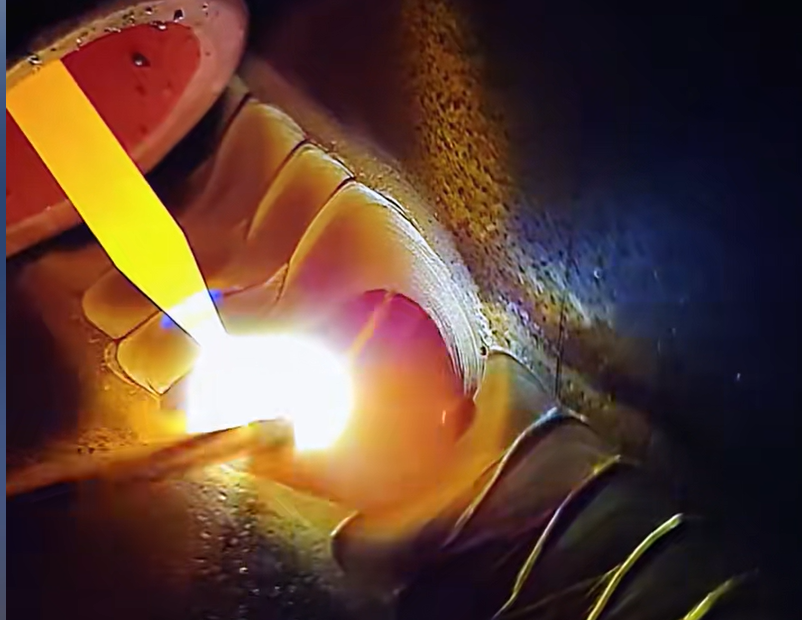
TIG Welding
Fiber Laser Welder vs MIG Welding
MIG welding is widely used in industrial production, but laser welding offers several improvements.
Laser Welding Advantages
- Higher precision
- Lower spatter
- Smaller heat affected zone
- Better aesthetics
- Easier automation
MIG Welding Advantages
- Lower equipment cost
- Suitable for thicker materials
- Familiar technology
Many manufacturers now use laser welding for products requiring higher quality and faster production.To learn more about the differences between the three, please refer to “What are the differences between MIG, TIG and laser welding?”
What Materials Can a Fiber Laser Welder Weld?
Fiber laser welding works with a wide variety of metals.
Stainless Steel
The most common laser welding material.
Applications:
- Kitchen equipment
- Cabinets
- Medical products
- Food processing equipment
Carbon Steel
Suitable for:
- Industrial structures
- Equipment manufacturing
- Metal fabrication
Aluminum
Laser welding aluminum provides:
- Low distortion
- High strength
- Improved appearance
Common in automotive and aerospace industries.
Copper
Modern high-power fiber laser welders can effectively weld copper components.
Applications include:
- Electrical connectors
- Busbars
- Battery systems
Galvanized Steel
Laser welding can reduce coating damage compared to traditional welding methods when parameters are properly controlled.However, laser welding of galvanized materials can produce significant spatter, requiring a high level of protective gas. It’s best to conduct a test beforehand.
Industries Using Fiber Laser Welders
Automotive Industry
Used for:
- Body panels
- Exhaust systems
- Battery trays
Battery Manufacturing
The rapid growth of electric vehicles has dramatically increased demand for laser welding.
Applications include:
- Battery tabs
- Busbars
- Battery packs
Sheet Metal Fabrication
Ideal for:
- Cabinets
- Enclosures
- Stainless steel products
Aerospace Industry
Laser welding provides the precision required for high-performance aerospace components.
Jewelry Manufacturing
Jewelry laser welders are widely used for:
- Ring repair
- Chain repair
- Precious metal welding
Portable Laser Welders: A Growing Trend
Portable laser welders are becoming increasingly popular among fabrication shops and field-service professionals.
Benefits include:
- Easy transportation
- Flexible operation
- Reduced workspace requirements
- Fast deployment
As battery technology continues to improve, future portable welding systems may become even more compact and mobile.
Many industry experts believe that lightweight portable welding equipment will be one of the most important trends in industrial welding over the next decade.
How Much Does a Fiber Laser Welder Cost?
Several factors influence the cost of a fiber laser welder:
- Laser power
- Laser source brand
- Welding head type
- Automation level
- Optional accessories
Generally:
- 1000W systems are suitable for light fabrication.
- 1500W systems are currently the most popular choice.
- 2000W and 3000W systems are preferred for industrial production.
When evaluating price, buyers should consider productivity improvements and labor savings rather than equipment cost alone.
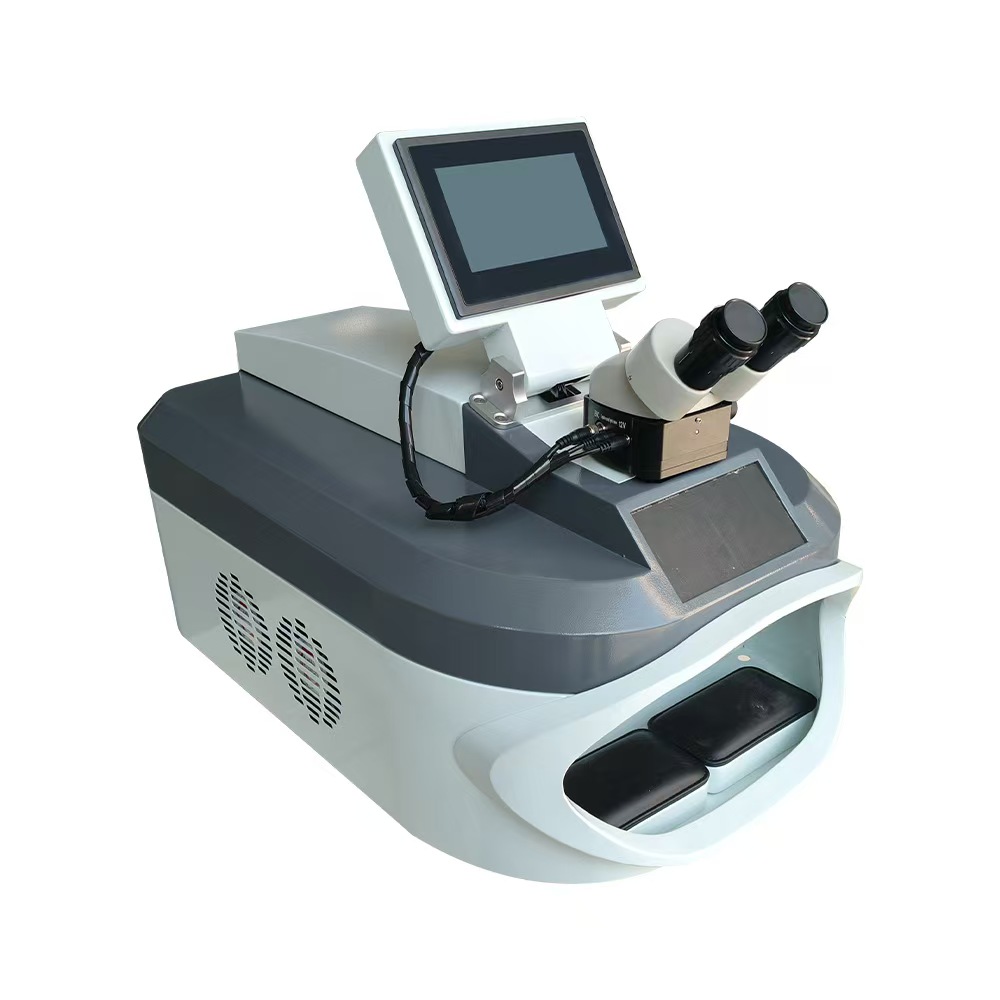
jewelry laser welder
How to Choose the Best Fiber Laser Welder
Before purchasing a machine, consider the following:
Material Type
Different metals require different welding parameters.
Material Thickness
Higher power machines are generally needed for thicker materials.
Production Volume
High-volume manufacturing may benefit from automated systems.
Portability Requirements
Field applications may require a portable laser welder.
Future Expansion
Choose equipment that can support future production growth.
Future Trends of Fiber Laser Welding in 2026 and Beyond
Several trends are shaping the future of laser welding:
Increased Automation
Robotic laser welding systems continue to expand across manufacturing industries.
AI-Assisted Welding
Smart systems can automatically optimize welding parameters.
Portable Welding Solutions
Smaller and lighter machines are becoming increasingly popular.
Battery-Powered Welding Technology
Advances in battery technology may enable highly mobile welding solutions in the future.
Integration with Industry 4.0
Connected manufacturing systems will improve productivity and quality control.
Frequently Asked Questions
Is a fiber laser welder better than TIG welding?
For many industrial applications, fiber laser welding offers higher speed, lower distortion, and easier operation.
Can a fiber laser welder weld aluminum?
Yes. Modern fiber laser welders are widely used for aluminum welding.
Can a fiber laser welder weld copper?
Yes. High-power fiber laser systems can effectively weld copper and copper alloys.
Is laser welding difficult to learn?
Most handheld laser welders are easier to learn than traditional TIG welding.
How long does a fiber laser source last?
High-quality fiber laser sources often have service lives exceeding 100,000 hours.
Conclusion
Fiber laser welding has become one of the most important welding technologies in modern manufacturing. Its combination of speed, precision, efficiency, and ease of use makes it an increasingly attractive alternative to conventional welding methods.
Whether you are producing stainless steel products, automotive components, battery systems, or precision metal parts, a fiber laser welder can significantly improve productivity and weld quality. As laser technology continues to evolve, fiber laser welding is expected to play an even greater role in the future of industrial manufacturing.

WhatsApp
Scan the QR Code to start a WhatsApp chat with us.